Weather Seals and Draughts in Potomac Garage Doors
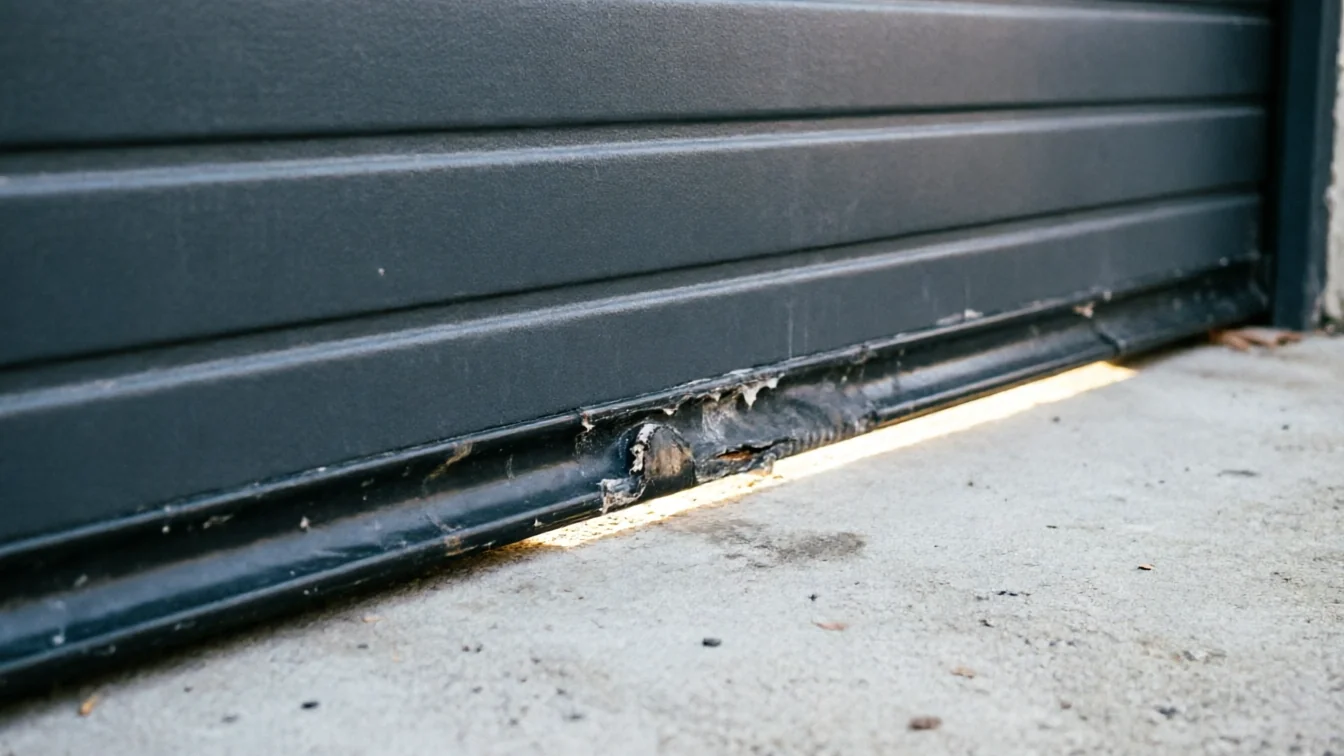
Potomac homes built 1938-2014 lose heat through worn garage door seals in cold winters.
Read moreBlogPotomac, MD · 4 min read
A guide to replacing a garage door in Potomac, where most houses date to the 1960s-70s and winters put real strain on worn hardware and old tracks.
Local detail
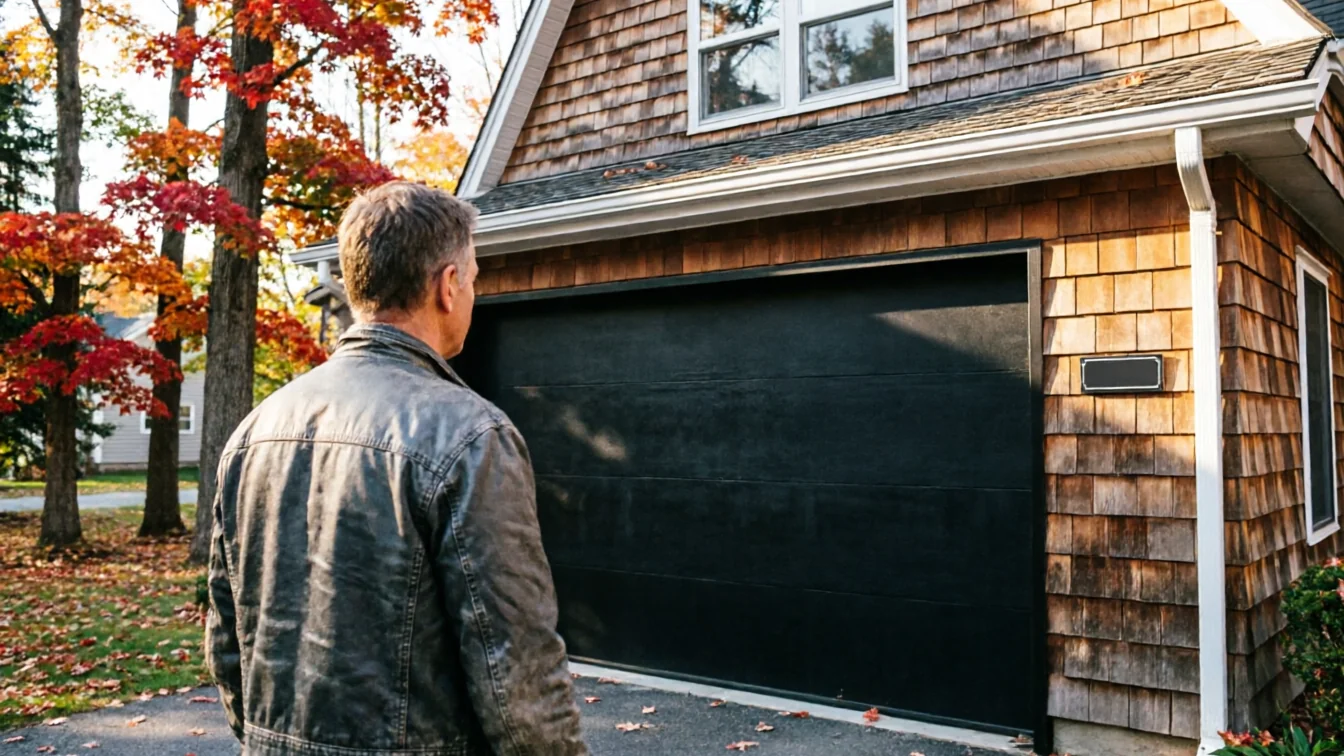
Most of the housing around Potomac went up between 1938 and 2014, with the bulk of it dating to the 1960s and 70s. That matters when a door starts acting up, because a lot of these houses still have their original garage door or a first-generation replacement from decades back. The track widths, the spring sizing, the header clearance - none of it matches what shows up in a big-box store today. We see this across the 61 named areas we work in, from older sections near Cabin John to newer pockets out toward Travilah. A door that's struggled along for forty years usually isn't a repair candidate anymore; the steel has fatigued, the hardware is mismatched from past patch jobs, and the opener bracket doesn't line up with current mounting standards. When we're called out to a house in this age bracket, the first question isn't 'what's broken' - it's whether the whole unit is worth saving. Sometimes it is. A lot of the time, with houses built mid-century, replacing the full door and track assembly is the honest answer, not just swapping a spring and calling it done. We'll tell you straight which one you're looking at before any work starts.
The area
We don't publish a flat price here because the range on a replacement door depends on the opening size, the insulation level you want, and whether the old jamb and header need rework - and in houses built before modern framing standards, that rework is common. What we can say is that this area has a median household income around $105,966, and most homeowners here are weighing a quality insulated door against a cheaper builder-grade unit for the long haul, not the cheapest thing that fits the hole. Across the roughly 104,445 owner-occupied houses in this service area, the spread in door age and construction means two houses on the same street can need completely different jobs. One honest limitation: we can't quote a number over the phone with any accuracy until someone measures the opening and looks at what's behind the old door, because mid-century framing isn't always square or standard, and that changes labor more than it changes the door itself.
What we find
If your door is original to a house built in the 1960s or 70s - which describes a large share of homes in this area - don't wait for it to fail completely before calling. Steel panels from that era rust from the inside out along the bottom seam, and torsion springs rated for that period are well past their cycle life even if they haven't snapped yet. Get someone out if the door sags visibly at one corner, if the opener strains and reverses on its own, or if you hear grinding from the rollers. In a cold-climate area like this, a weak spring that's close to failing is more likely to let go on the coldest morning of the year, when the metal is least forgiving. We don't recommend DIY spring replacement on these older high-tension setups - it's not worth the risk to fingers or face, and that's true whether the door is five years old or fifty.
How we work
This area sits in a severe cold climate band, and that shows up hardest on older, uninsulated doors common in the 1960s-70s housing stock. Metal contracts in the cold, which tightens tolerances on tracks that may already be slightly out of alignment from decades of use. Springs lose a measurable amount of tension in sustained cold, which is exactly when homeowners notice the opener struggling or the door refusing to lift evenly. Weatherstripping on original doors from that period is usually long gone or hardened past usefulness, letting cold air straight into the garage and whatever sits against that shared wall. None of this is dramatic on its own, but on a house with a door that's already forty-plus years old, cold weather is what turns a minor weakness into a dead spring or a jumped track on a January morning.
Questions
If your house was built in the 1960s or 70s, which covers a lot of this area, and the door is original, repair often isn't the better value - the steel has fatigued and parts no longer match current standards. We'll look at the specific door and tell you honestly which way it leans before recommending a full replacement.
Cold temperatures tighten metal tolerances and reduce spring tension, which is harder on older doors that were already worn. In a severe cold climate like this one, a spring near the end of its life is more likely to fail on a cold morning than a mild one.
Not accurately. Opening size, insulation choice, and the condition of the header and jamb all affect cost, and in older houses the framing behind the door isn't always standard. We need to measure and look before quoting.
Recommendation
More garage door guides for Potomac homeowners.
Potomac homes built 1938-2014 lose heat through worn garage door seals in cold winters.
Read more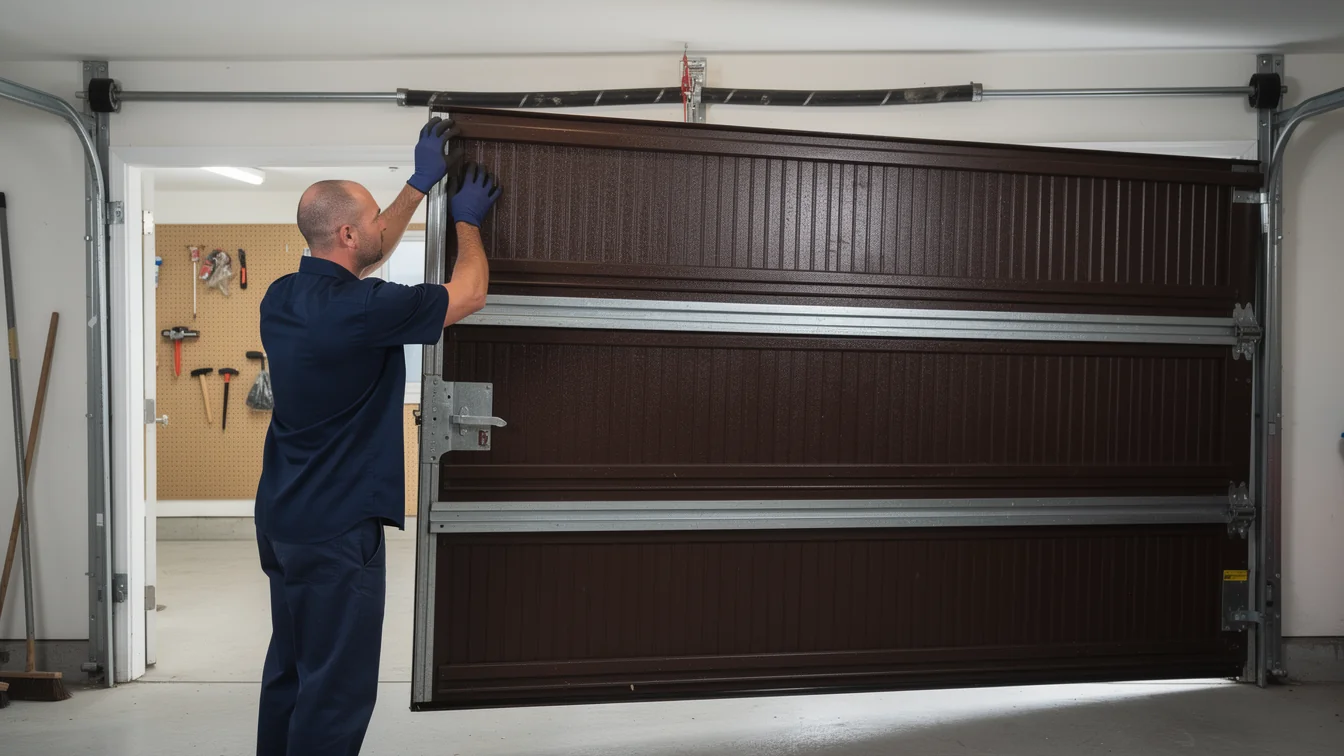
Most Potomac garage doors date to the 1960s and 70s.
Read more
Potomac's housing dates mostly to the 1960s and 70s, and the cold winters here stress track hardware that's never been replaced.
Read moreReady when you are
Potomac Garage Door Pros repairs and installs garage doors, springs and openers in Potomac, MD and the surrounding area.