What to Know Before You Replace a Garage Door in Potomac
A guide to replacing a garage door in Potomac, where most houses date to the 1960s-70s and winters put real strain on worn hardware and old tracks.
Read moreBlogPotomac, MD · 4 min read
Most Potomac garage doors date to the 1960s and 70s. Here's what a tech checks first on a house this age, and what a Maryland winter does to the parts.
Local detail
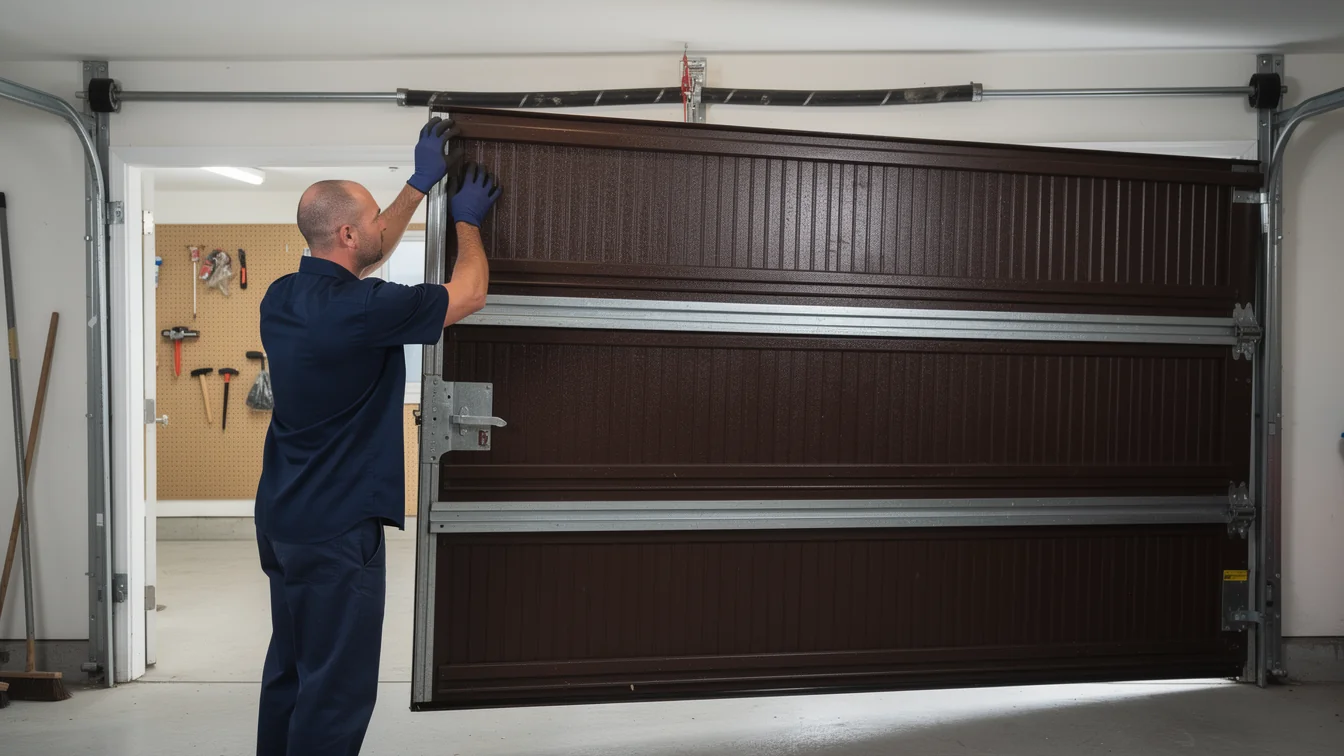
Walk up to most garage doors in Potomac and the first thing a tech does is look at the build date before touching a tool. Housing stock here runs from 1938 up through 2014, but the median is 1970, and across the 61 named areas that make up this part of Montgomery County, the bulk of it is 1960s and 70s construction. That matters because a door from that era was almost always installed with a single torsion spring rated for the original door weight, not the heavier insulated steel or faux-wood doors a lot of owners have swapped in since. When a tech opens the panel on a house like this, they're checking whether the spring on the wall still matches the door that's actually hanging on the track, because a lot of these homes have had the door replaced once already without anyone recalculating the spring. They'll also check the track brackets for the kind of rust pitting you get on hardware that's been in a cold garage for fifty-plus years, even if the door itself looks fine from the driveway.
On a newer build in the mix, closer to 2000s construction, the check looks different: nylon rollers, sealed bearings, and opener logic boards are the first suspects, not spring fatigue.
The area
We don't publish flat prices here because what a job costs on a 1965 colonial with original hardware and what it costs on a 2005 build with a modern opener are two different jobs before anyone picks up a wrench. A tech will tell you the real number after they've opened the panel, not before. What we can tell you is what drives the number: whether the spring is a standard torsion size or something an installer custom-ordered decades ago, whether the track is still square after years of seasonal ground movement, and whether the opener is original or already a second or third replacement. Parts for doors built before the 1980s sometimes take longer to source than parts for current models, and we won't quote a same-day fix on a part we don't have on the truck. That's the one limitation worth saying plainly: if your door uses an odd-sized spring or a discontinued track bracket from the original 1960s build, the repair may take an extra day while the part comes in, and we'd rather tell you that up front than promise something we can't deliver that afternoon.
What we find
Call before the door fails completely, not after. On a house with original or near-original hardware from the 1960s-70s wave, the warning signs are usually a spring that looks stretched or has a visible gap in the coil, a door that slams the last foot instead of settling, or an opener that strains and reverses on the way up. Any of those on a house this age usually means the spring is near the end of its cycle life, and waiting means it lets go while the door is open and heavy steel comes down fast. On the newer end of the housing stock, the signs are different: an opener that grinds, a remote that stops working intermittently, or a safety sensor that blinks instead of staying solid. Those point to electronics, not springs, and they're a different repair. Either way, a door that's hard to lift by hand with the opener disconnected is not a problem to leave until next month. That's a spring problem, and it gets worse, not better, on its own.
How we work
This area sits in a severe cold climate band, and that shows up in garage door hardware in specific ways. Steel torsion springs lose tension in cold temperatures and cycle faster through their rated lifespan when they're working through hard freezes every winter. On a house built in the 1960s-70s window, that spring has already been through decades of that cycle, so cold snaps are often when an aging spring finally lets go rather than when it was first installed. Tracks and rollers also tighten up in cold weather; metal contracts, and a door that rolled smoothly in October can bind in January on the same hardware. A tech checks lubrication and roller wear differently here than they would in a mild climate, because the freeze-thaw swing through a Potomac winter is harder on moving metal parts than steady cold would be. Weatherstripping at the bottom panel is the other thing worth a look each fall, since gaps there let cold air straight into an attached garage, which on an older build often shares a wall with living space.
Questions
Cold weather makes steel torsion springs lose tension and cycle harder, and in this climate band that effect is more pronounced. If your house dates to the 1960s or 70s like much of Potomac's housing stock, the spring has likely already been through many winters of that stress, so a cold snap is often just when a tired spring finally gives out.
It depends on what's actually failing. If the spring, track, or opener are the problem on an otherwise sound door, a repair usually makes sense. If the door itself is original from a 1960s or 70s build and the panels are rusted or warped, a tech will tell you honestly when replacement is the better value than chasing repairs on an old panel.
It depends on the hardware. Standard torsion springs and tracks are usually on the truck. Older or custom-sized parts from original 1960s-70s installations sometimes take longer to source, and we'll tell you that up front rather than promise a same-day fix we can't back up.
Recommendation
More garage door guides for Potomac homeowners.
A guide to replacing a garage door in Potomac, where most houses date to the 1960s-70s and winters put real strain on worn hardware and old tracks.
Read more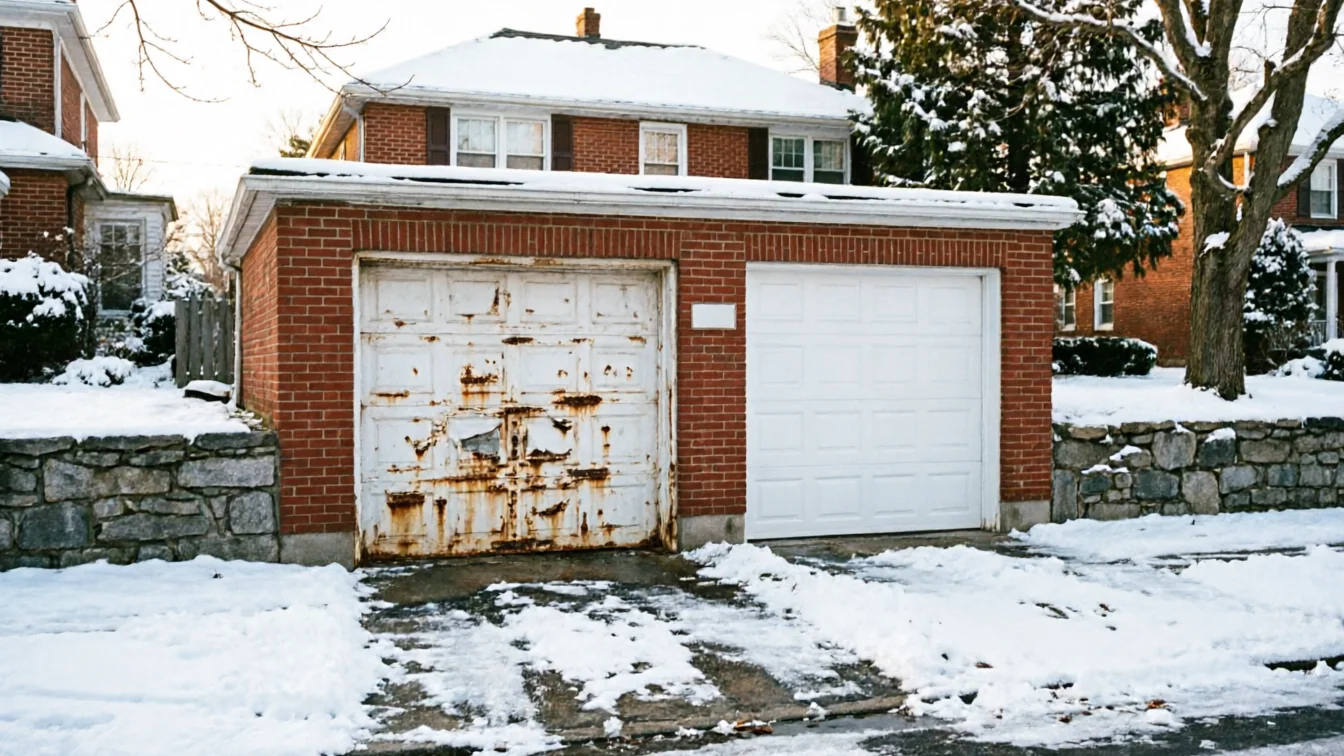
Garage door repair for Potomac, MD.
Read more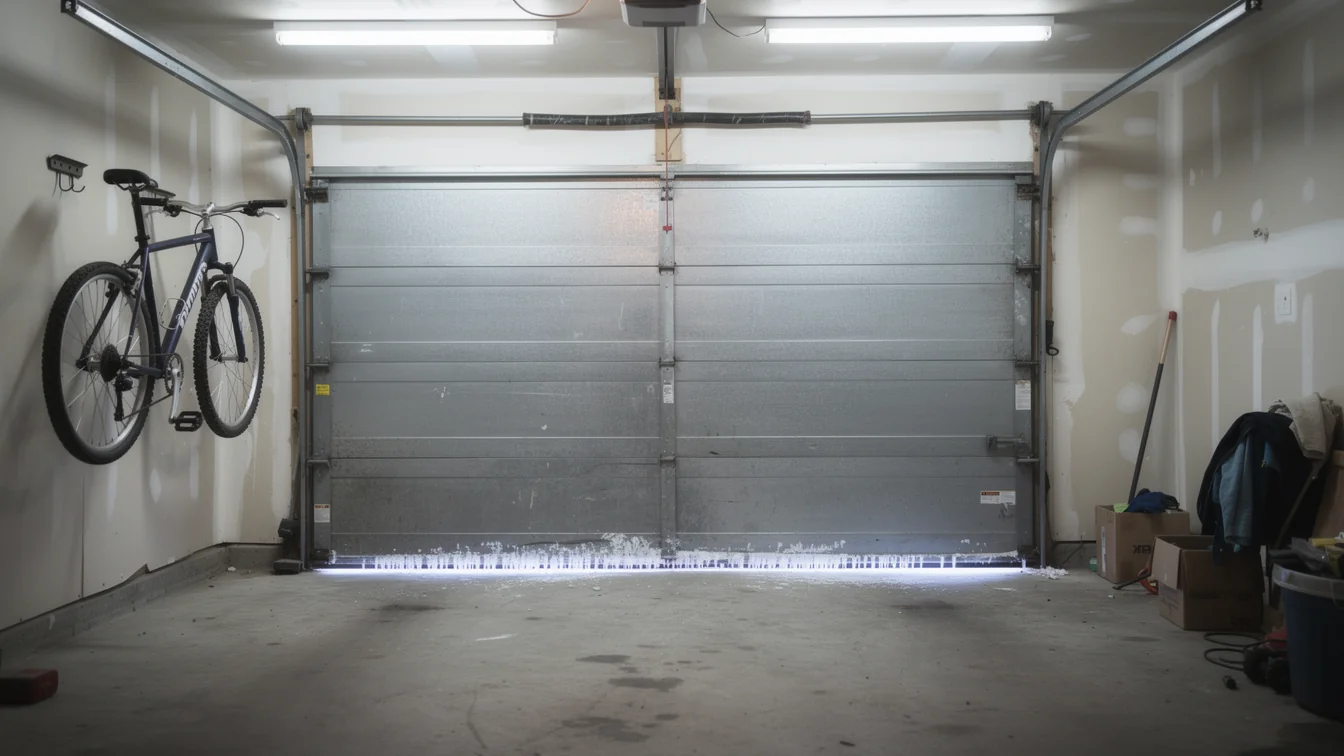
Potomac homes built from 1938 to 2014 often have garage doors with little insulation, built before modern energy codes.
Read moreReady when you are
Potomac Garage Door Pros repairs and installs garage doors, springs and openers in Potomac, MD and the surrounding area.