How Long You Are Without the Door
We don't post a blanket turnaround time because it depends on what's actually broken and whether the part is something we carry on the truck versus something we have to order.
Same-visit spring swap
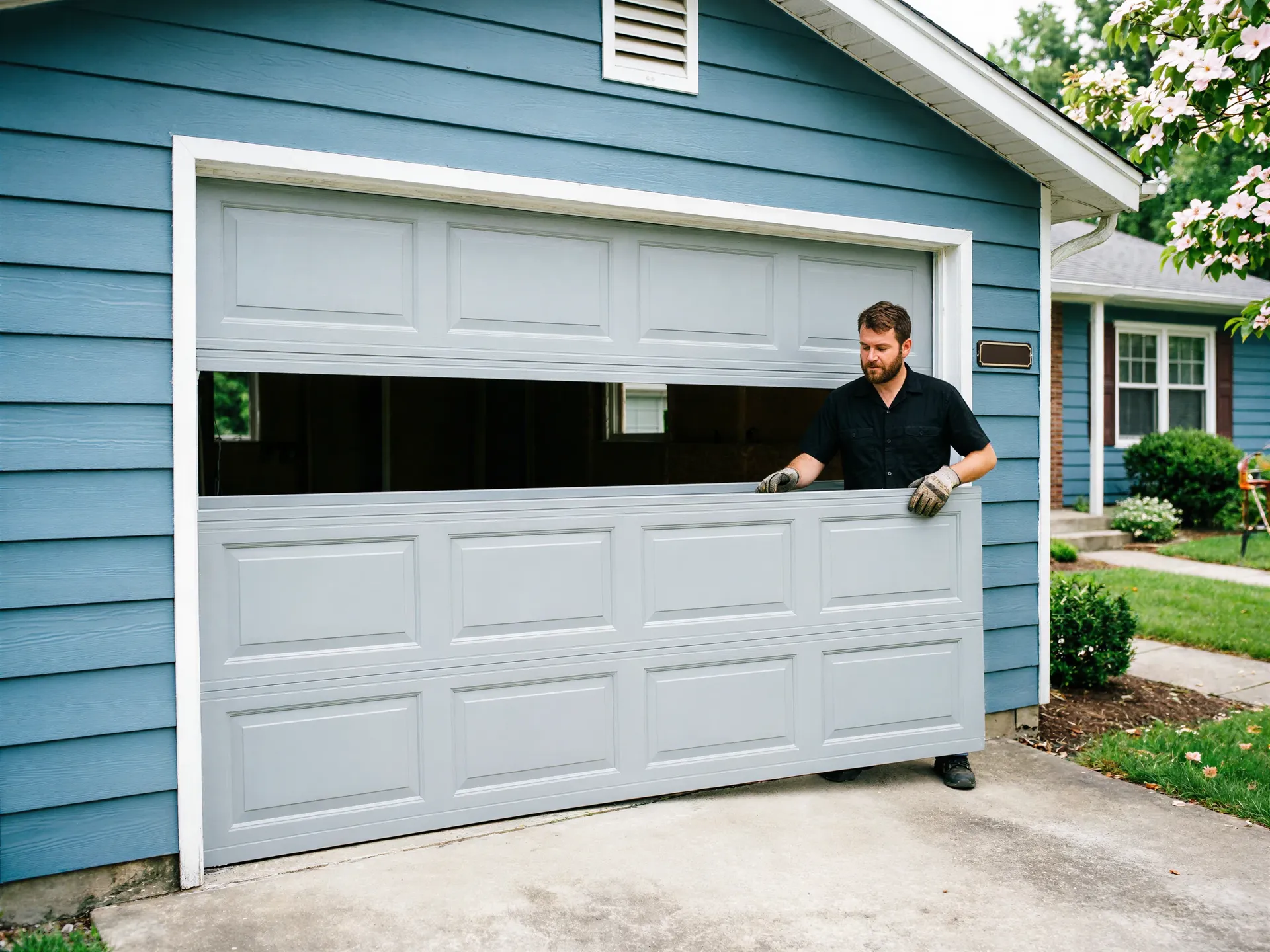
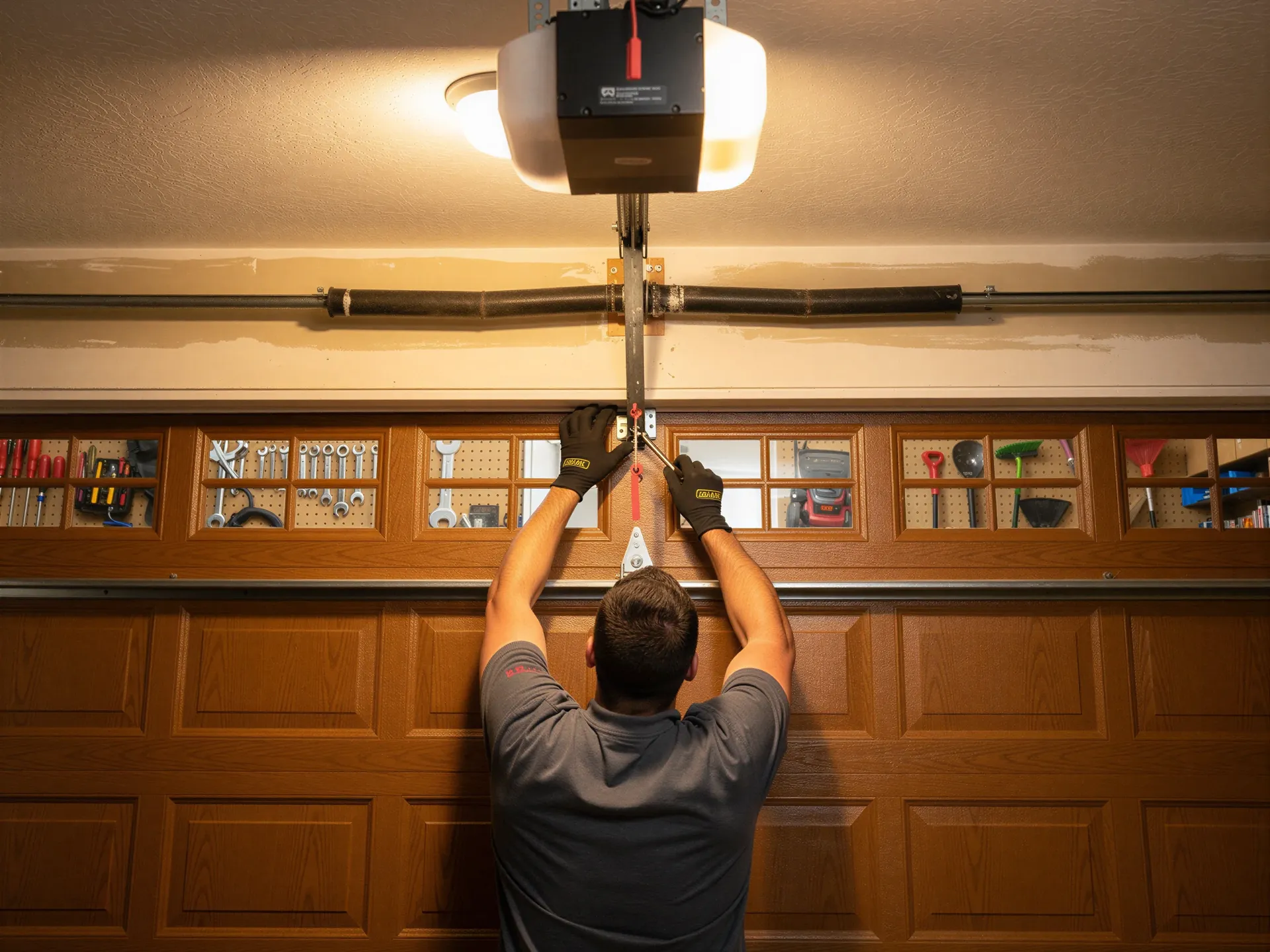
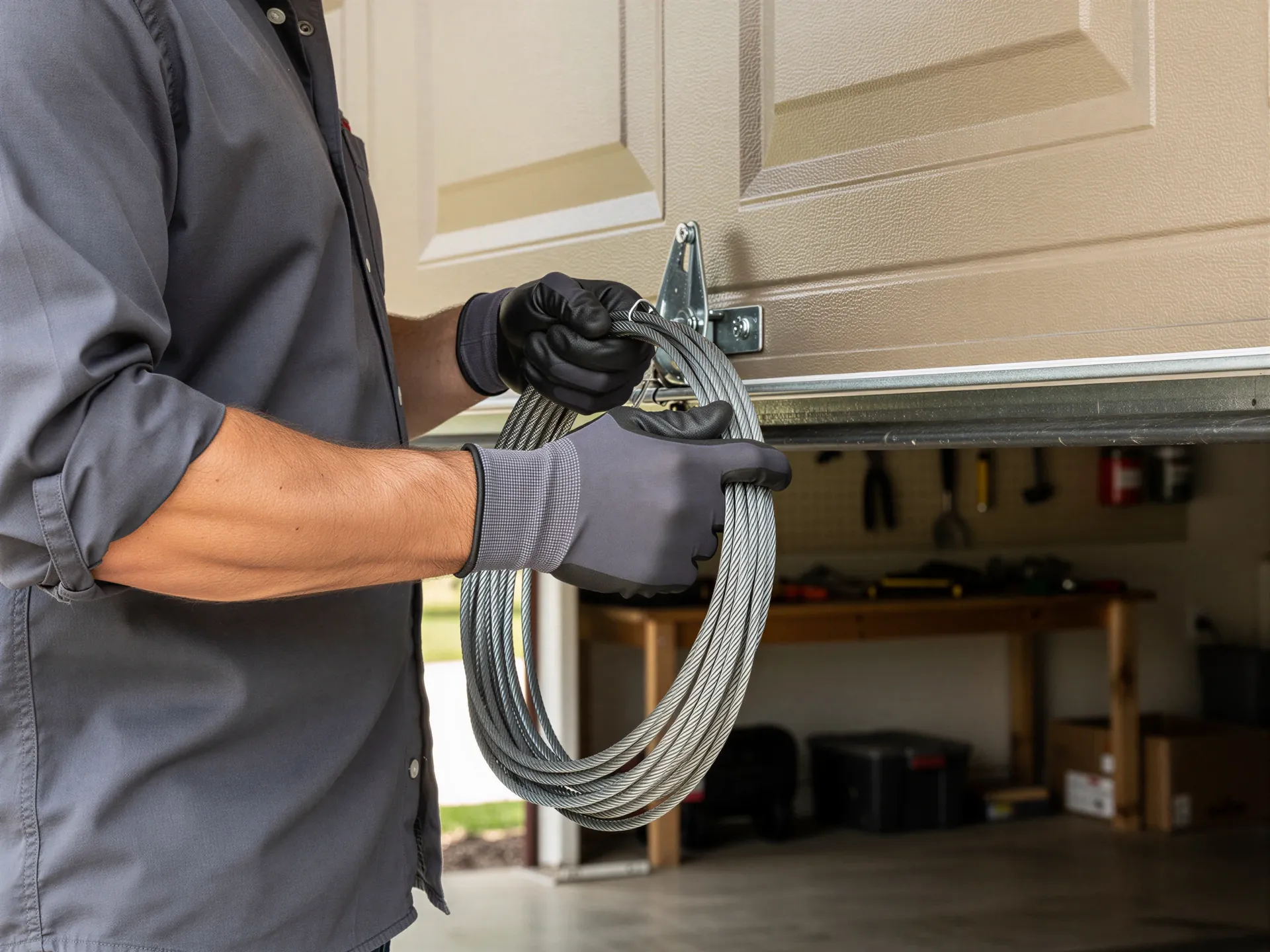
A snapped torsion spring on a standard door is usually a same-visit fix if the shaft and drums are still good. A bent track, a burned-out opener board, or hardware specific to a door installed decades ago is a different story - those sometimes mean a short wait on a part.
Avoiding repeat visits
What we won't do is quote you a fast fix and then come back twice. If your door was installed anywhere near the 1960s-70s wave that makes up most of the housing stock in this area, there's a decent chance the drum size, the spring wind, or the bracket pattern isn't what's on the shelf at the big box store.
Pre-job inspection step
We check that before we start, not after. The honest limitation here: if your door needs a part we don't stock, we tell you that up front instead of promising a number we can't hit. A door that's been patched wrong is worse than one that waited an extra day for the right spring.
How It Shows Up
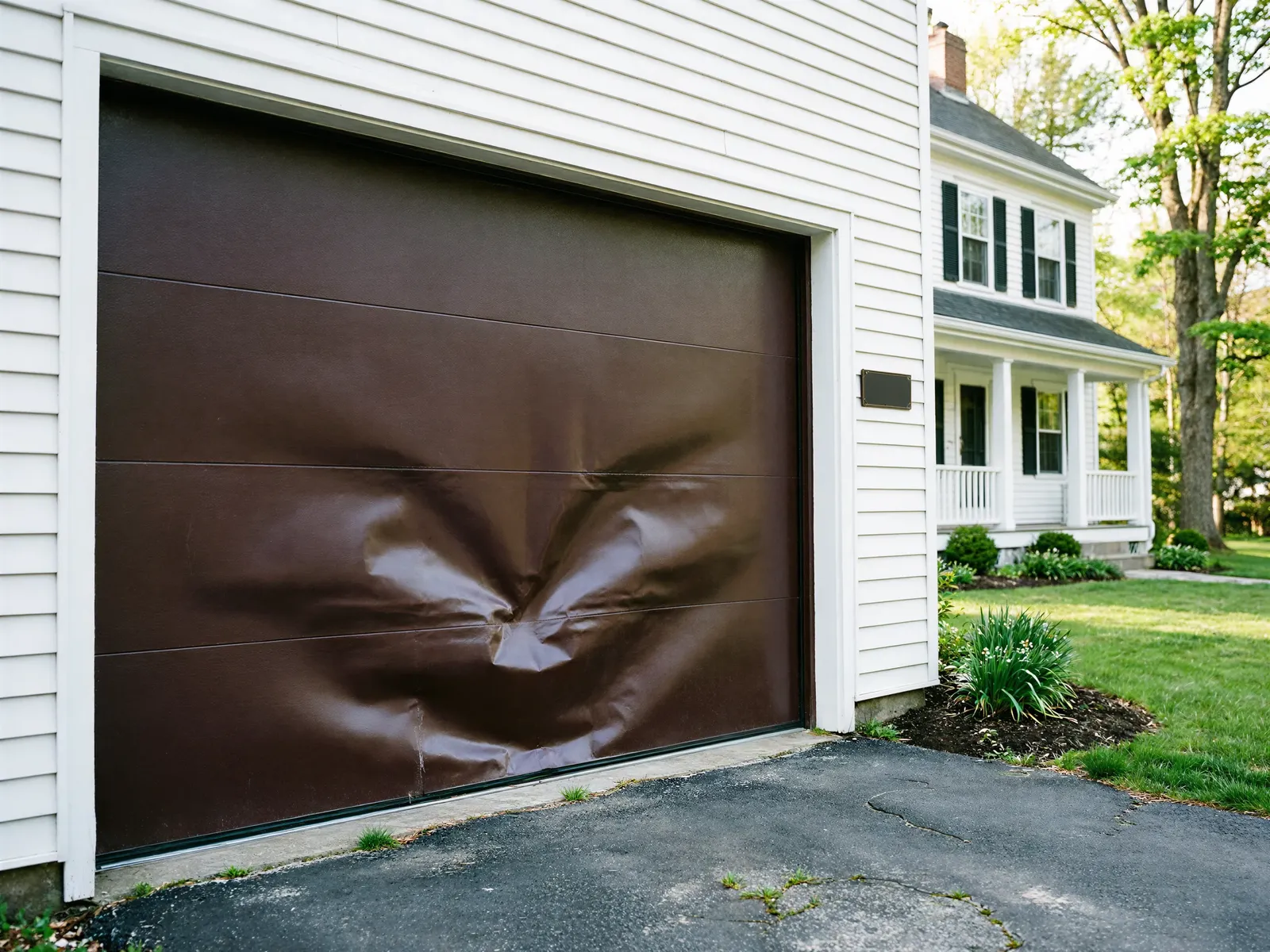
The most common call we get isn't a door that won't open at all - it's a door that opens slow, shudders partway up, or reverses on its own when it's cold out.
Age-driven failure pattern
That pattern tracks directly with the age of the stock here. Housing in this area runs from 1938 up through 2014, with the bulk of it dating to the 1960s and 70s, so a large share of the doors we touch are on original or first-replacement hardware that was never designed for the cycle count it's logged by now.
Gradual spring tension loss
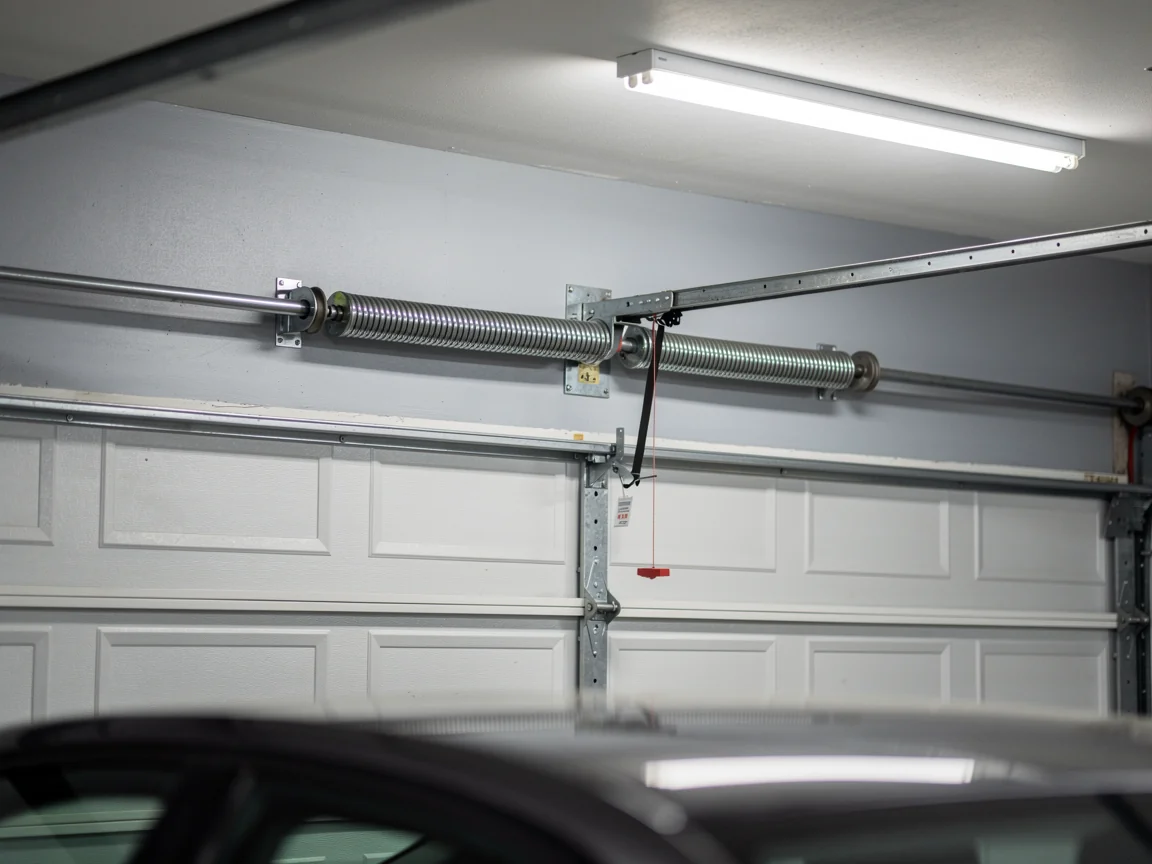
Steel springs lose tension gradually, and in a cold climate band like this one, that loss shows up worse in winter because cold steel is stiffer and less forgiving when it's already near the end of its life. A spring that's been quietly weakening for years will often snap on the first hard freeze, not on a random Tuesday in July.
Grinding rollers on old track
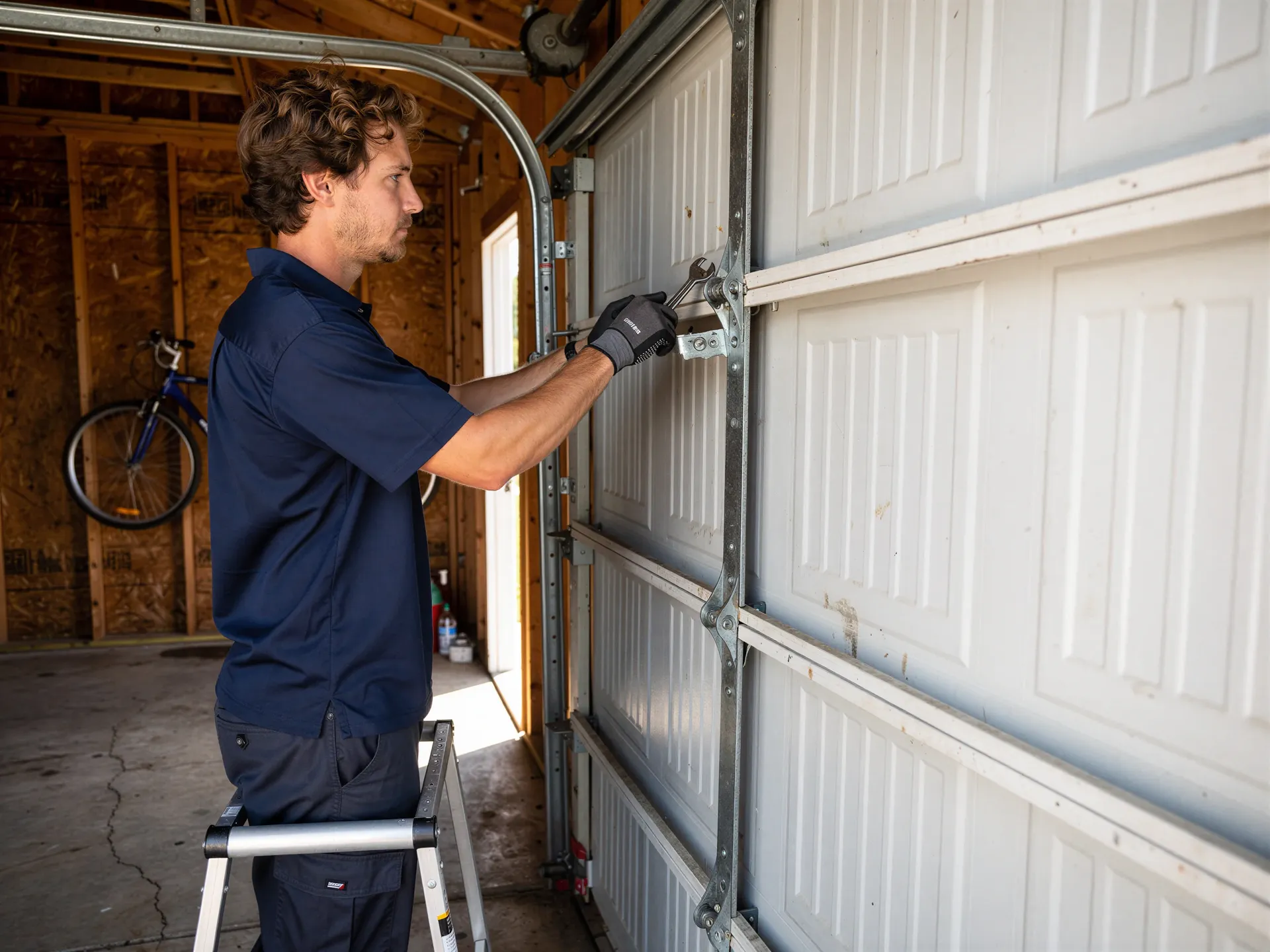
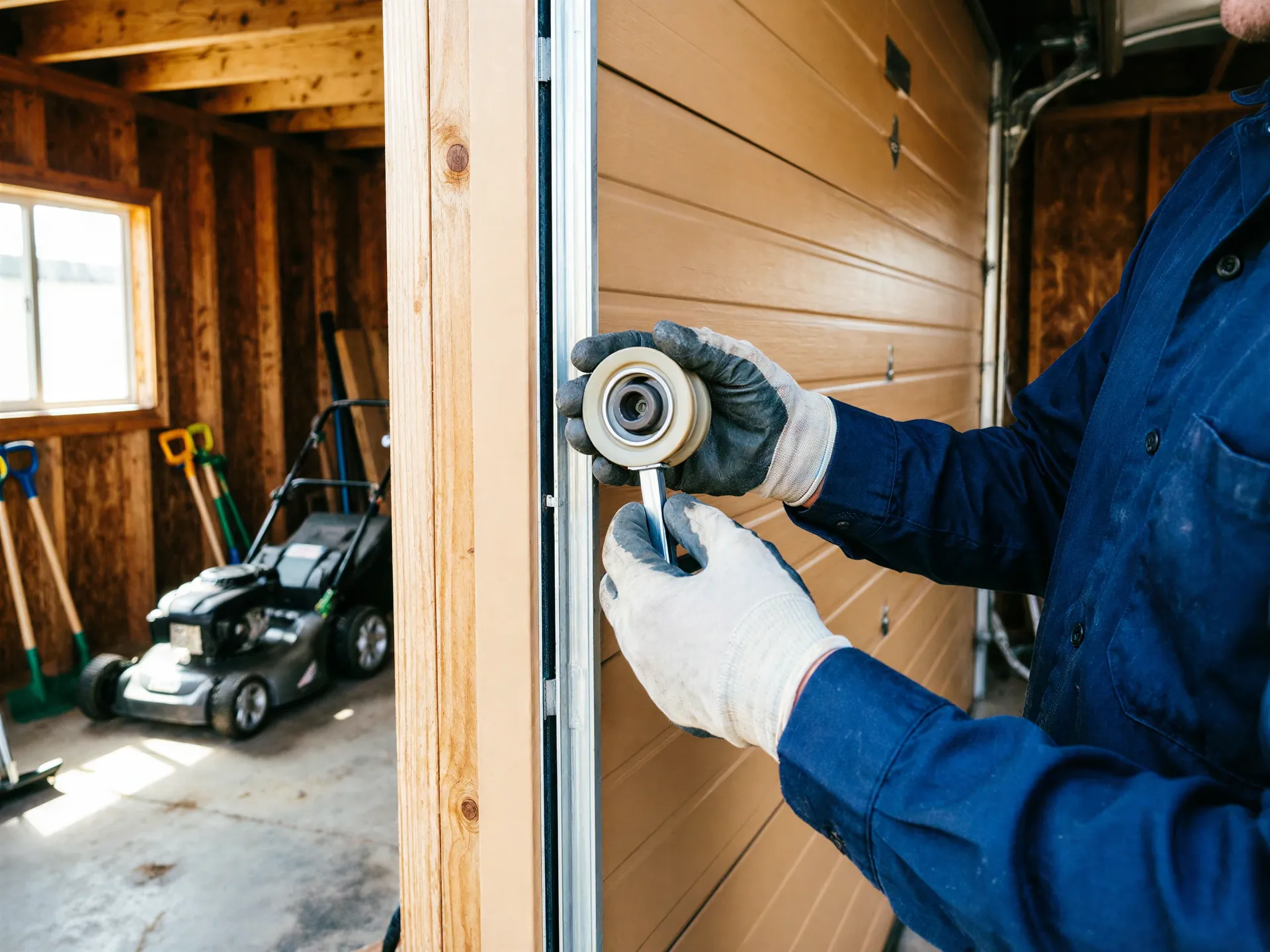
On older tracks, the other tell is noise - grinding or popping on the way up, usually from rollers that were never upgraded past the originals. If your door is making a sound it didn't make last winter, that's the hardware telling you something before it fails completely.
What You Pay
We don't list prices here because a torsion spring swap, a full opener replacement, and a track realignment are three completely different jobs with three different part costs, and quoting a single number for all of them would be guessing.
Fixed estimate before work
What we can tell you is how we price: we look at the door, identify what's actually failing, and give you a number before any work starts - not an estimate that grows once we're in the garage.
Replacement math on repairs
Income levels in this area (median household income runs north of $105,000) mean we see more owners choose a full replacement over a patch-job repair when a door is old enough that one part failing usually means the next part is close behind.
Second component within years
That's not us upselling - it's often the math that makes sense once you're replacing a second or third component on the same door inside a year or two. If a repair is cheaper and will genuinely hold, we say so. We'd rather fix the spring and send you an honest bill than replace a door that didn't need replacing.
What Causes It Around Here
Two things stack on top of each other in this area: the age of the housing and the winters. With homes going up anywhere from 1938 to 2014 and a median build year around 1970, a huge share of garages were fitted with hardware sized for lighter, single-layer doors that were standard decades ago - not the heavier insulated doors or openers that often got added later without upgrading the springs underneath them.
Then the cold comes in. This area sits in a climate band classified as cold and severe enough that steel hardware contracts, lubricant thickens, and anything already fatigued gets pushed past its limit faster than it would in a milder climate. That's why so many spring failures here cluster in winter rather than spreading evenly across the year.
Across the wider service area there are roughly 104,445 owner-occupied houses out of 292,784 households, and a meaningful share of those are sitting on hardware that predates any torsion-spring code update. Drive the stretch between Cabin John and Travilah, or out toward Garrett Park and North Potomac, and you'll pass block after block built in the same tight window - which means the same failure points, aging at roughly the same rate.
Talk to a local pro
Garage door service in Potomac?
Same-day service with honest, upfront quotes.