What Causes It Around Here
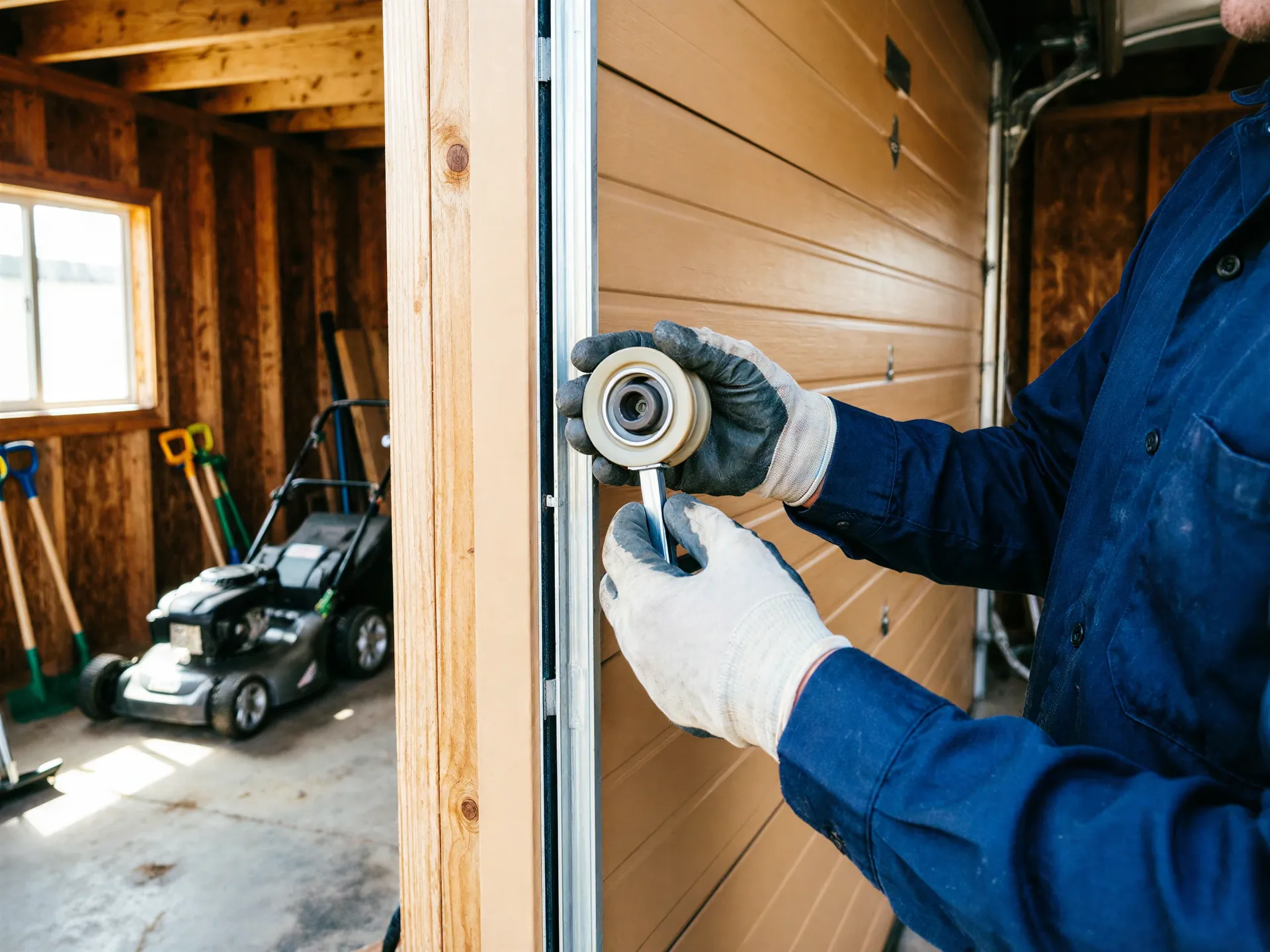
Olney's housing stock centers on a median build year of 1986, a good fifteen years newer than the territory's overall median of 1970. That matters for rollers. A house built in the mid-80s almost always shipped with plain steel rollers riding directly in a galvanized track, no nylon bushing, no sealed bearing. Steel on steel wears fine for a decade or two, then it starts to groan.
This region sits in a severe cold climate band, and that's the second half of the story. Cold tightens metal tolerances and thickens whatever grease was left on the roller stem from the factory. Every winter the roller binds a little more before it warms up and loosens again. Do that for close to forty years and the roller wheel develops a flat spot, or the stem wears oval instead of round. You hear it as a rhythmic thunk as the door travels, worse on cold mornings.
We're not finding ancient one-piece doors out here the way we do in some of the older parts of the territory - Olney's stock is newer than that. What we are finding is the original builder-grade roller set, still on the door, well past the point where it should've been swapped.
How Long You Are Without the Door
Olney sits about 11 miles from our shop in Potomac - farther out than most of the territory's other named areas. That distance doesn't change what we carry, but it does shape how we plan the call.
Single-trip roller job
A roller job is one of the few repairs we can usually finish start to finish on the first trip, which matters more here than it would somewhere five minutes down the road: a second trip for a part we didn't bring means another 11 miles each way before your door is right again.
Pre-dispatch size confirmation
So for an Olney call, we try to get the roller size and door weight confirmed before the truck leaves, rather than guessing at it once we're on site. It's not a guarantee against surprises - sometimes a track is bent enough that rollers alone won't fix the symptom - but it cuts down on the kind of repeat visit that wastes your afternoon and ours.
Over-prepared truck policy
We don't run a branch out of Olney itself. Every job here is a dispatch from Potomac, and that's worth knowing going in - it's part of why we'd rather over-prepare the truck than under-prepare it.
How It Shows Up
On a 1986-era garage, worn rollers usually announce themselves before they fail outright. Listen for a rhythmic grinding or clunking that tracks with the door's movement - once per roller per rotation, basically - rather than a steady scrape.
Morning noise that fades
Cold mornings make it louder; by midday, once things warm up a bit, it can quiet down enough that you convince yourself it's fine. It isn't. You might also see the door hesitate or jerk at one specific point in its travel every single time - that's usually a flat-spotted roller catching on the same spot in the track.
Crooked door from one roller
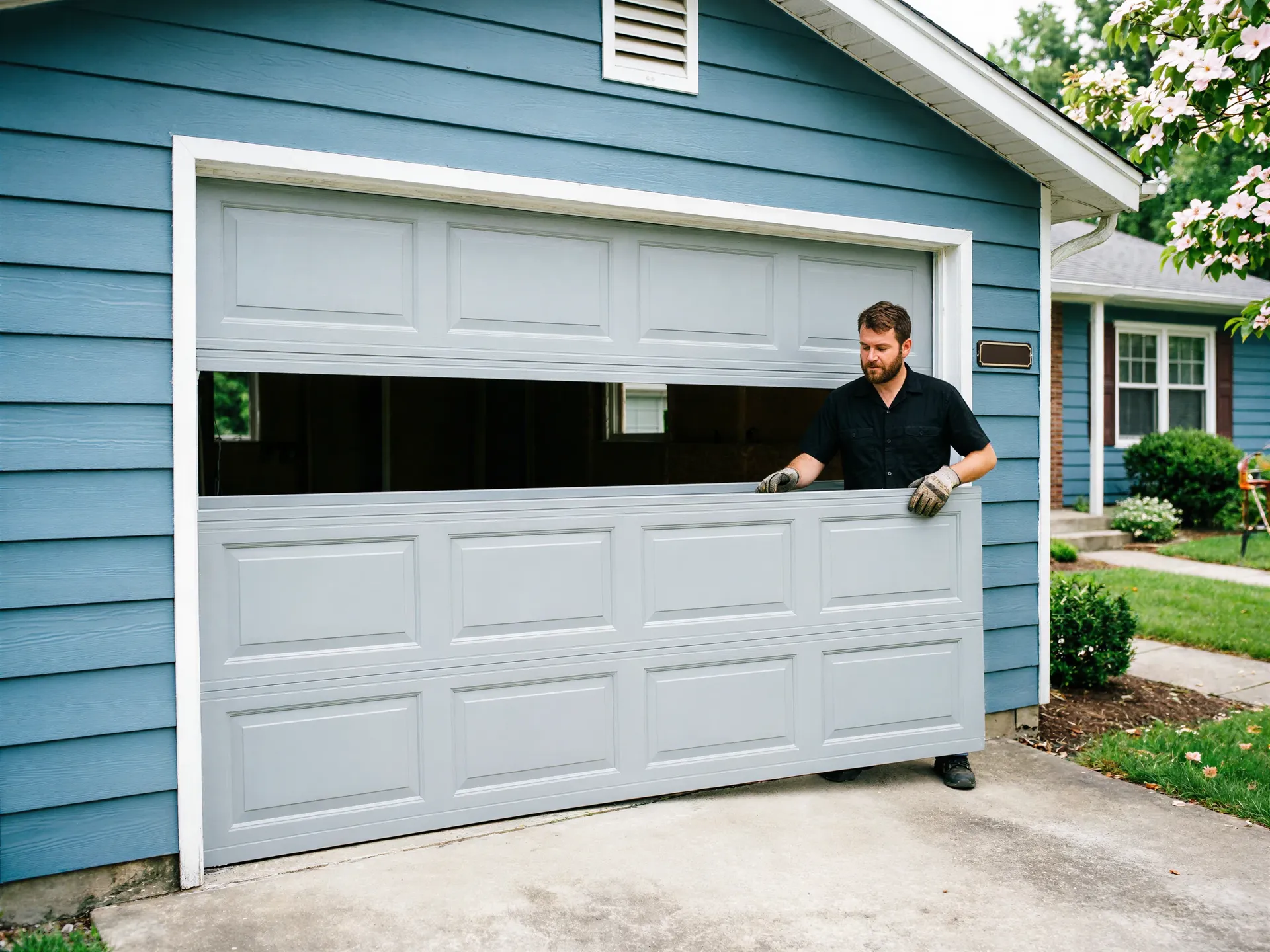
Some owners notice the door sitting slightly crooked in the frame when closed, which points to one roller riding higher or lower than its neighbors from uneven wear. What we don't want you doing is waiting until a roller comes off the track entirely.
Cost of ignoring rollers
At that point the door can bind hard enough to strain the opener, or in a worse case, drop a corner panel on the track. A grinding roller is a $150-range repair. A dropped panel from a derailed roller often isn't.
What Is on the Truck
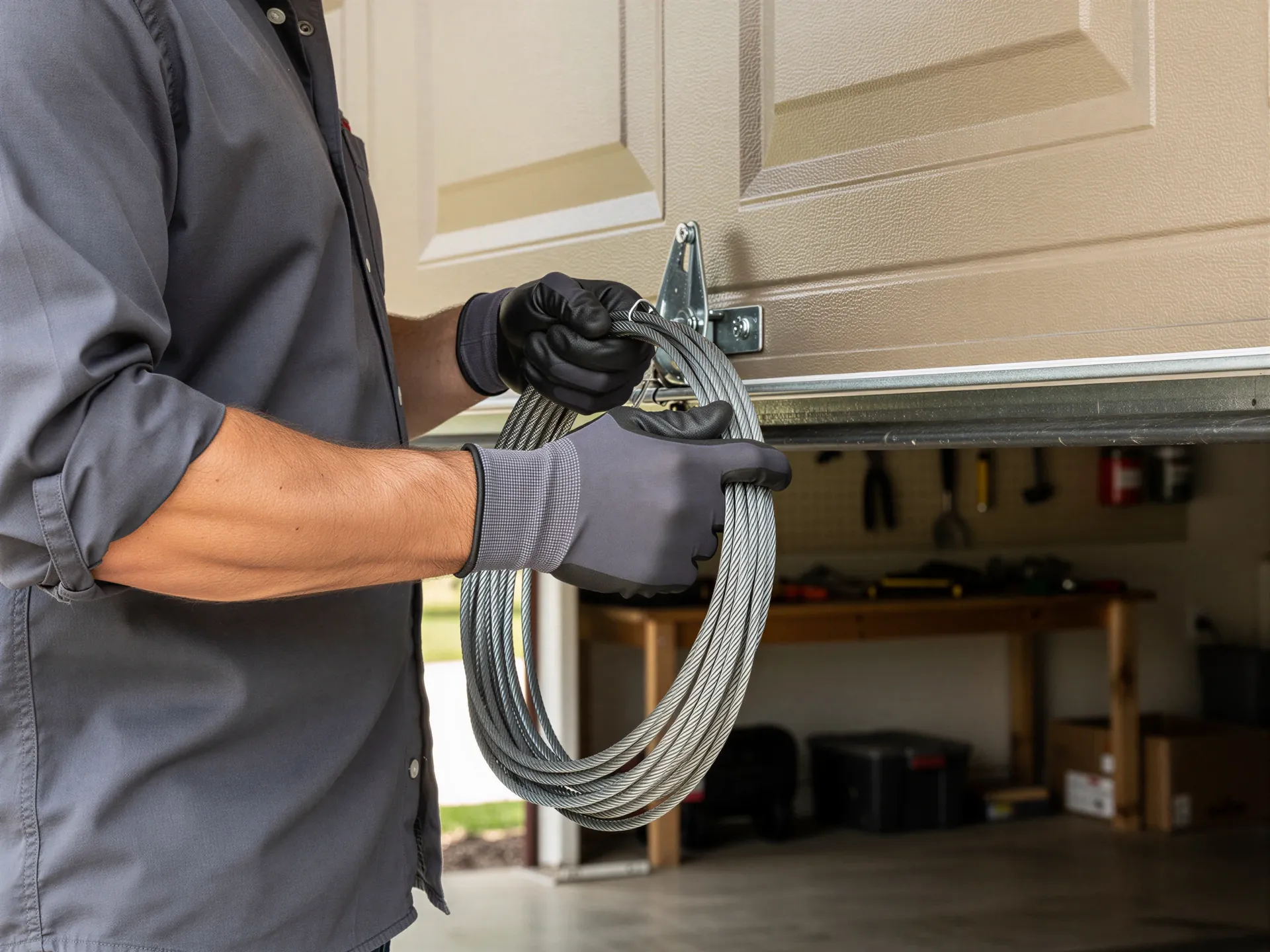
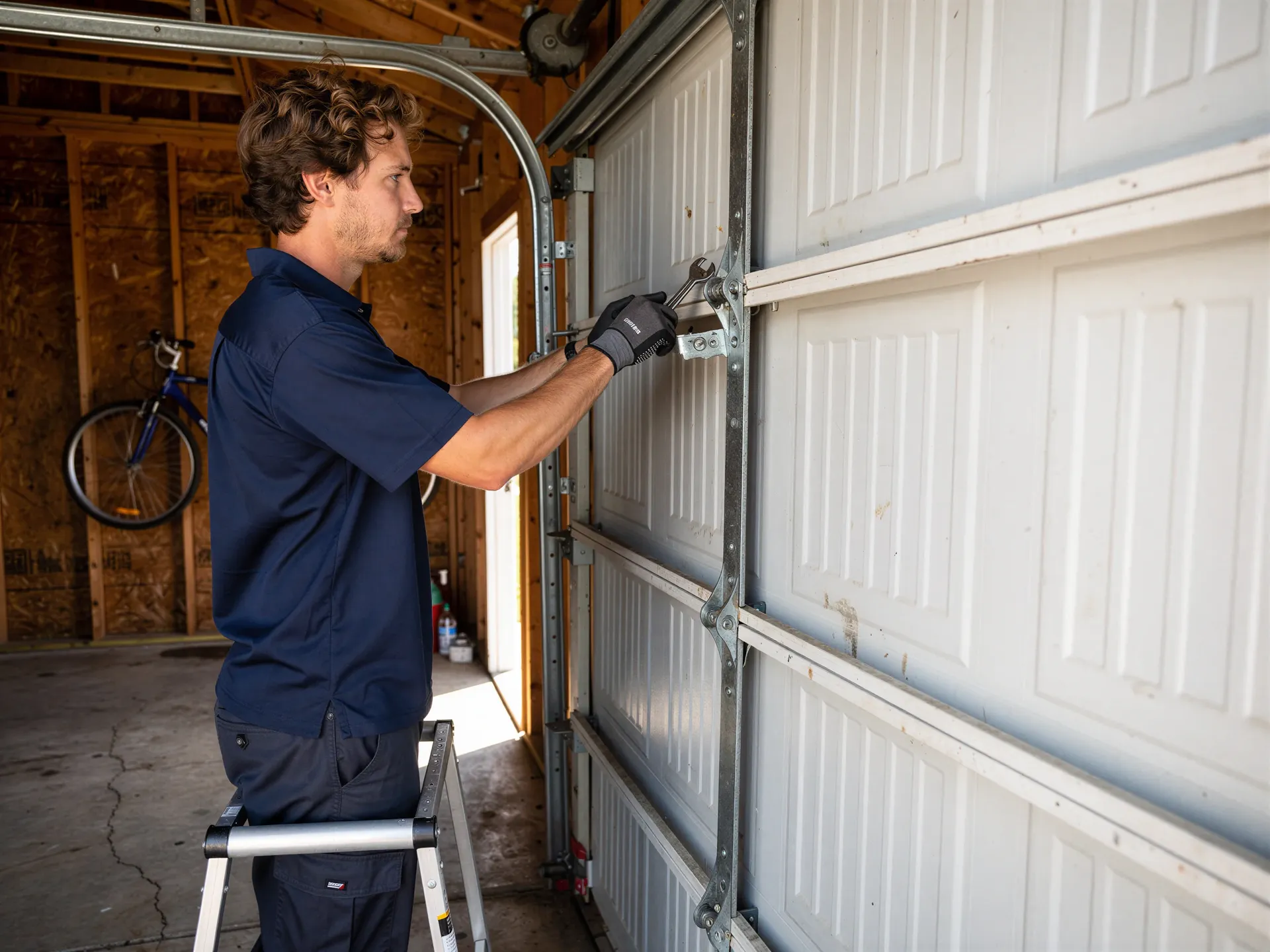
For a severe cold climate like this one, we stock nylon rollers with sealed bearings as the default swap, not steel - they run quieter and don't develop the flat-spot problem the same way over repeated winters.
Stem and diameter range
We carry the common stem lengths and roller diameters used in doors from the 1986 era straight through to current builds, since Olney's housing spans enough years that we see both.
Track cleaning supplies
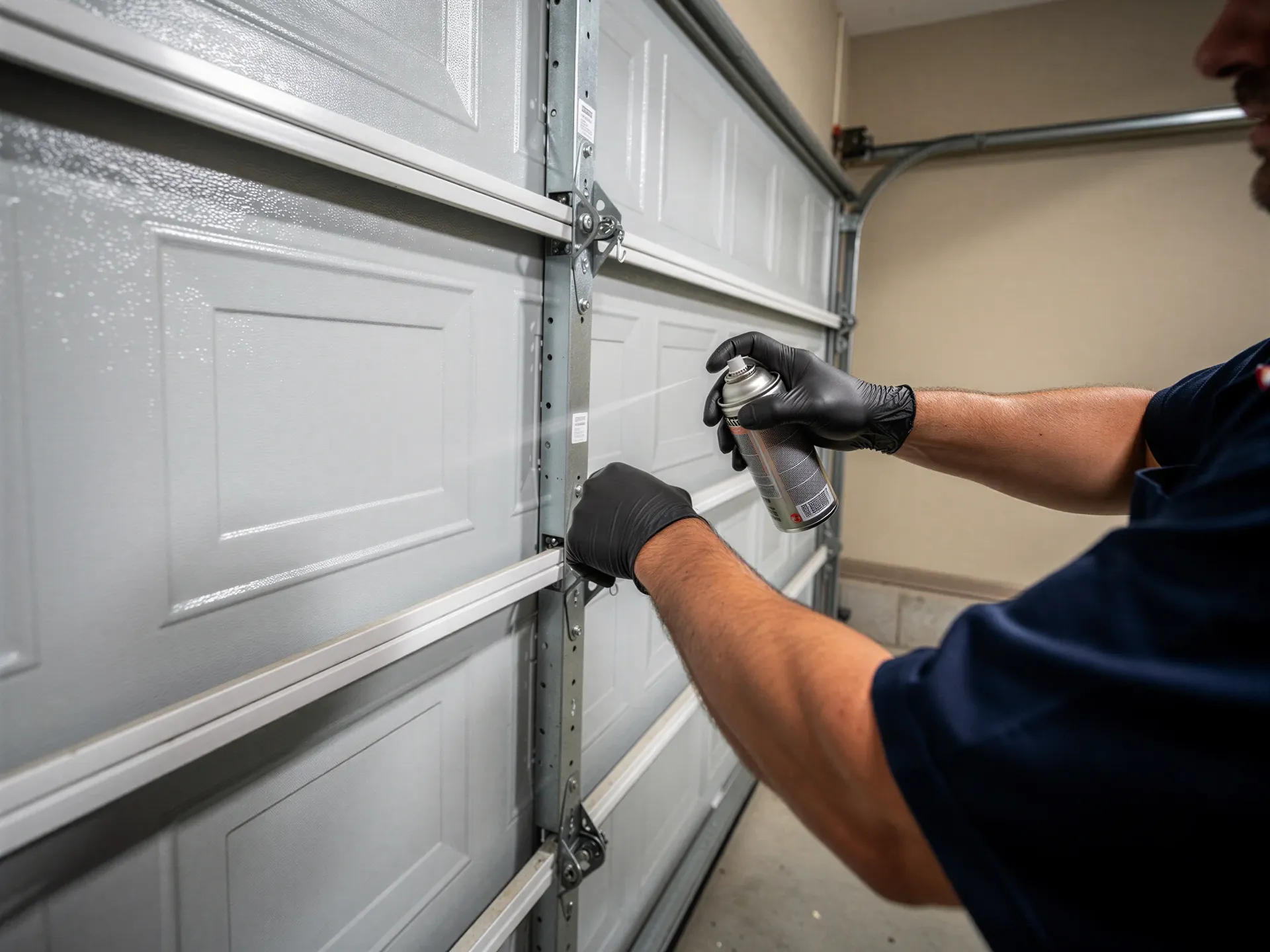
We also bring track brushes, roller bracket hardware, and the basic lubricant for finishing the job on site, since a roller swap done without cleaning the track first just wears the new rollers the same way.
Groove and bend limits
Here's the honest limit: if the rollers have been grinding long enough to groove or bend the track itself, rollers alone won't fix it - that's a track repair or replacement, and we'll tell you that on site rather than sell you a roller swap that won't hold. We also don't stock every obscure stem length a custom or imported door might use; those sometimes mean a short order delay before we can finish the job.
Talk to a local pro
Garage door service in Potomac?
Same-day service with honest, upfront quotes.