Booking a Visit
Wheaton sits about 8 miles from our Potomac base, which is a straight run down into the older grid of the county rather than a side trip.
Phone diagnosis questions
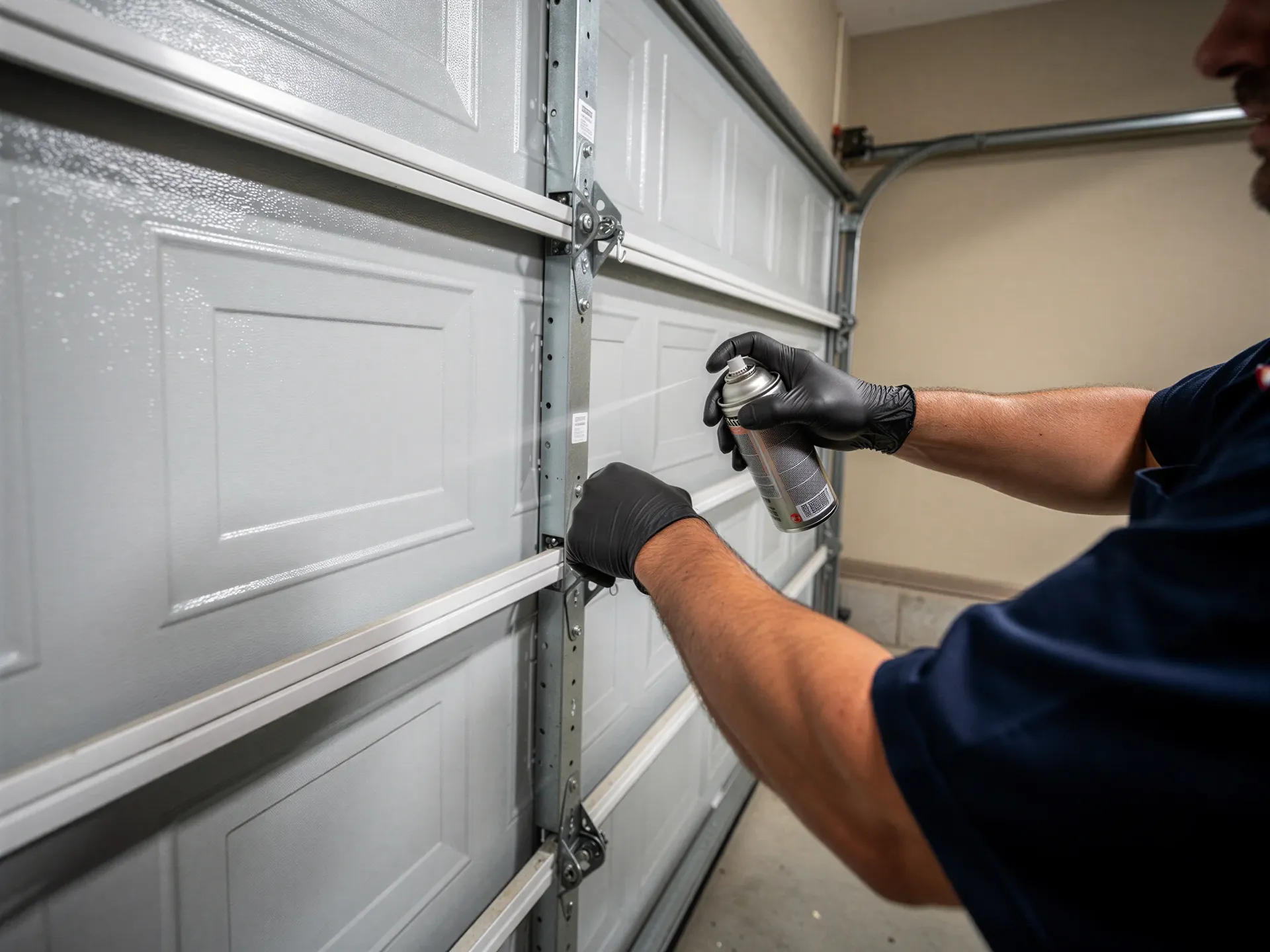
That distance is why we ask a few more questions on the phone before we load the truck: what the door looks like, what it sounds like when it sticks, whether the opener light blinks a code.
Photo before dispatch
A 20-minute drive doesn't change what we charge, but it does mean we'd rather diagnose by phone first and bring the right spring or roller size the first time than guess and come back. If you can send a photo of the track and the spring when you call, that one step usually saves a second trip.
Drive time fills slots
We don't keep a branch in Wheaton and we're not going to pretend otherwise. Every job here is dispatched from Potomac, so same-day slots fill around the drive time, not around a local crew sitting idle nearby. Book earlier in the day if the door is stuck shut, since that's the one failure that can't wait for an evening slot.
How It Shows Up
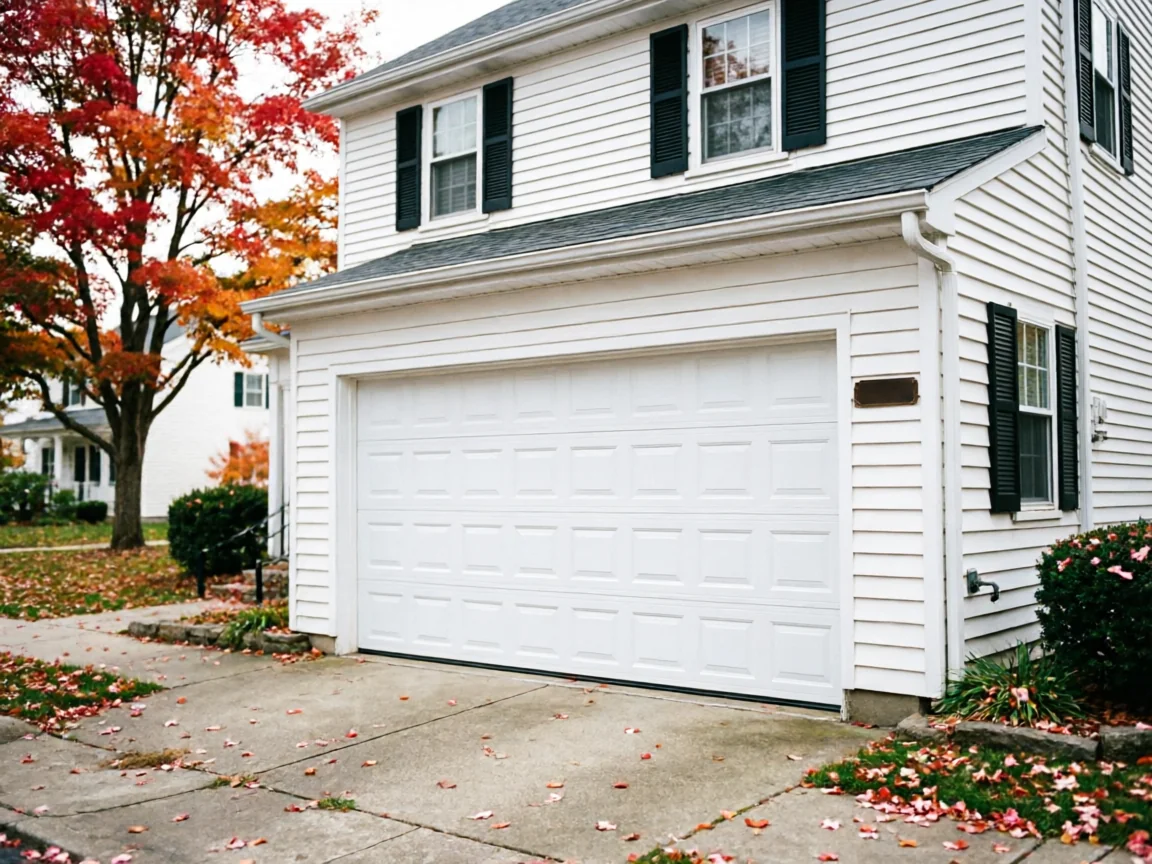
Housing in this part of the county runs older than the newer pockets further out, with a lot of Wheaton's stock dating to around 1959, square in the middle of that 1960s-70s wave that covers most of the service area.
Repeat-replaced hardware
That era means steel sectional doors on torsion springs that have usually been replaced once already, plus openers that are a second or third generation install on the original track.
Re-wound spring snaps
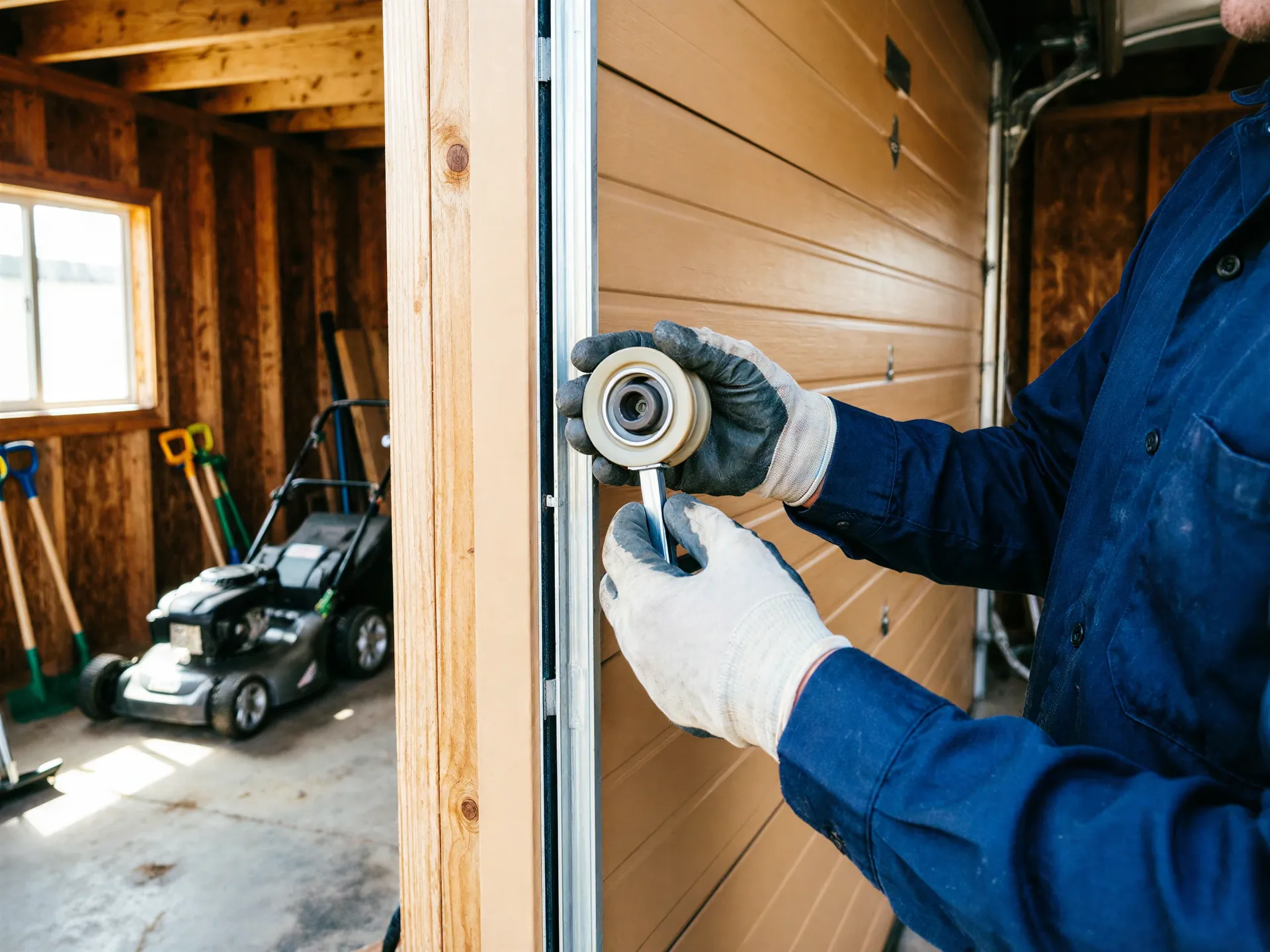
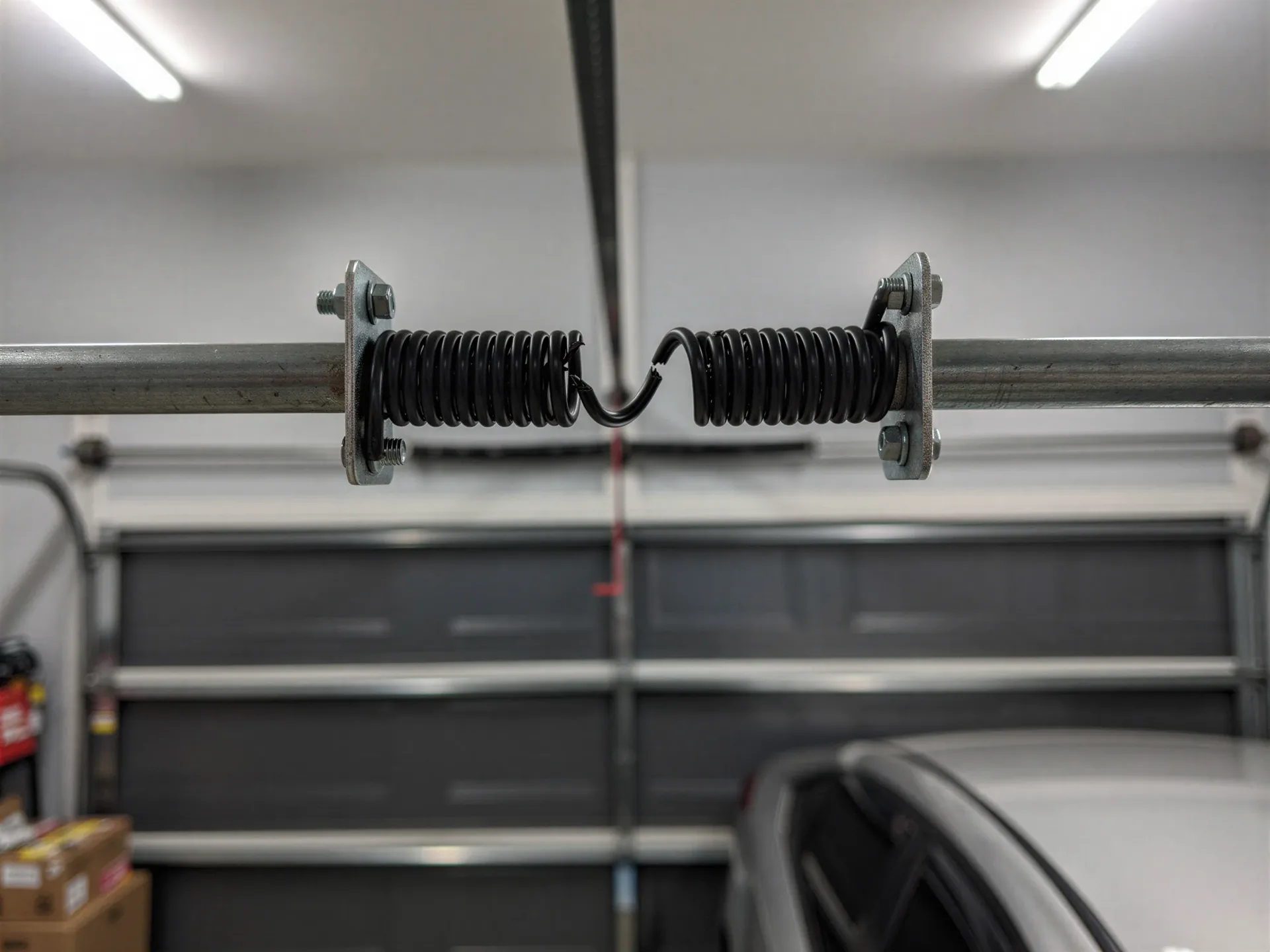
The failure pattern follows the hardware: a torsion spring that's been wound and re-wound finally snaps clean, or a track bent slightly out of true from decades of settling starts binding a roller every third or fourth cycle. What you notice first is rarely the spring itself.
Reversing halfway up
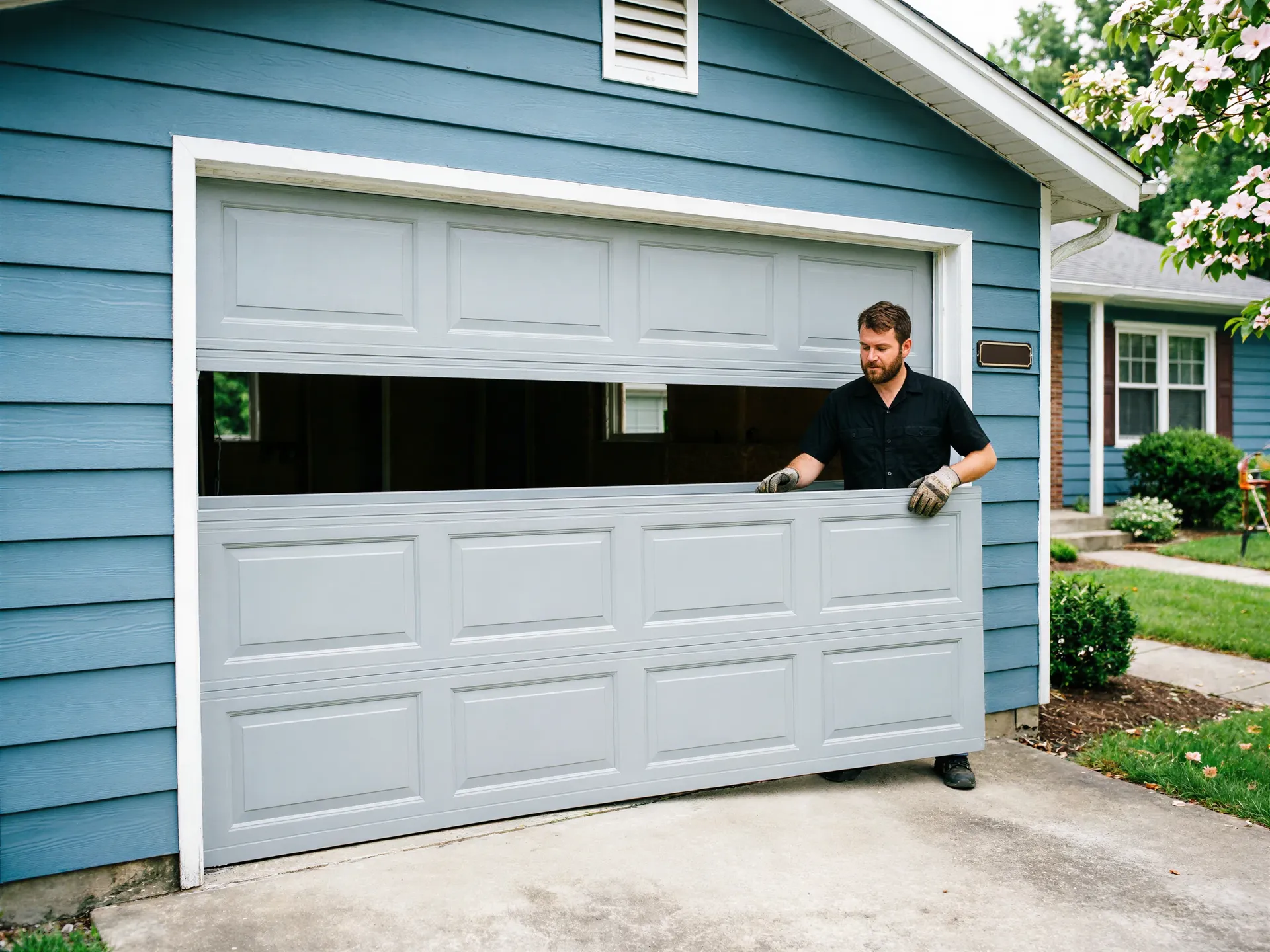
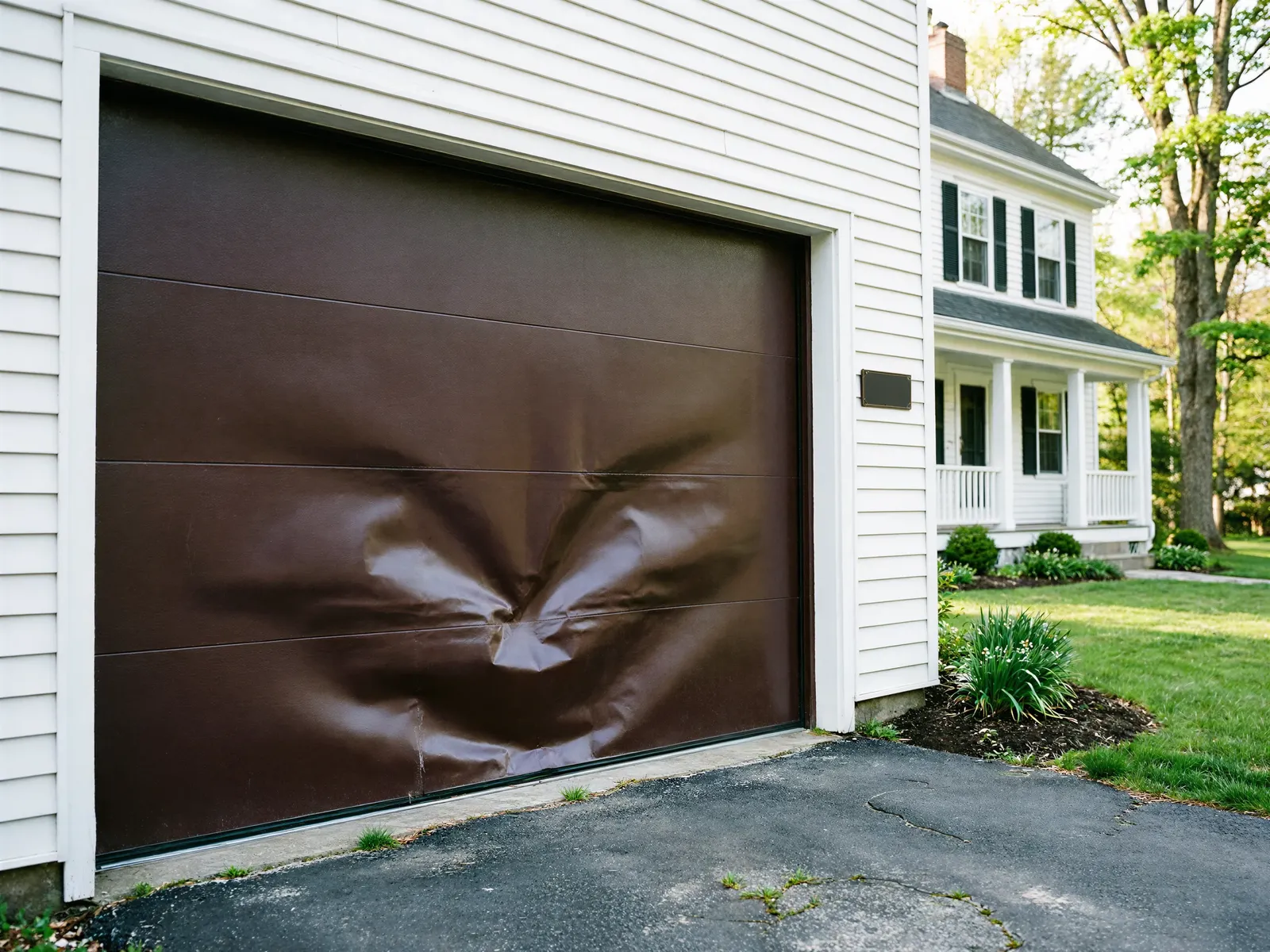
It's the door hanging crooked on one side, or the opener straining and reversing halfway up because the spring isn't carrying its share of the weight anymore. On a house this age, that's almost always a spring or cable problem wearing an opener's symptoms, not an opener problem on its own.
How Long You Are Without the Door
A broken torsion spring on a single door is usually a same-visit fix once we're on site with the right spring size - that part isn't a Wheaton-specific number, it's just how the repair works everywhere. What does vary here is what's behind the wall. Houses built around 1959 sometimes carry hardware sizes or spring winds that newer stock doesn't use anymore, and if what's on your door doesn't match what's on the truck, you're waiting on that specific part rather than losing the whole day over a routine job.
We won't quote you a fixed turnaround over the phone without seeing the door, because guessing wrong on an older torsion setup is how a homeowner ends up disappointed. If the track or the drum is bent beyond a clean fix, that's a longer conversation about replacement, not a same-day repair.
What Causes It Around Here
The region sits in a severe cold climate band, and that matters more on a door built when garages weren't insulated as a default. Cold tightens steel, stiffens the lubricant in rollers and hinges, and makes a spring that's already fatigued more likely to go on a hard winter morning rather than a mild afternoon. On a door installed when Wheaton's streets were first built out, that spring has had sixty-plus winters of expansion and contraction working against the same coil.
The other driver is simple wear from age, not weather. A lot of this area's housing predates garage door openers entirely as a factory feature, which means the opener itself is a retrofit and the track brackets are older than the motor bolted to them. When a bracket pulls loose or a cable frays, it's rarely a one-off - it's the hardware finally catching up to the house.
Talk to a local pro
Garage door service in Potomac?
Same-day service with honest, upfront quotes.