What the Repair Takes
Travilah's median build year sits around 1989, noticeably newer than the roughly 1970 median across the rest of the Potomac service area. That gap matters more than it sounds like it should.
No extension-spring legacy
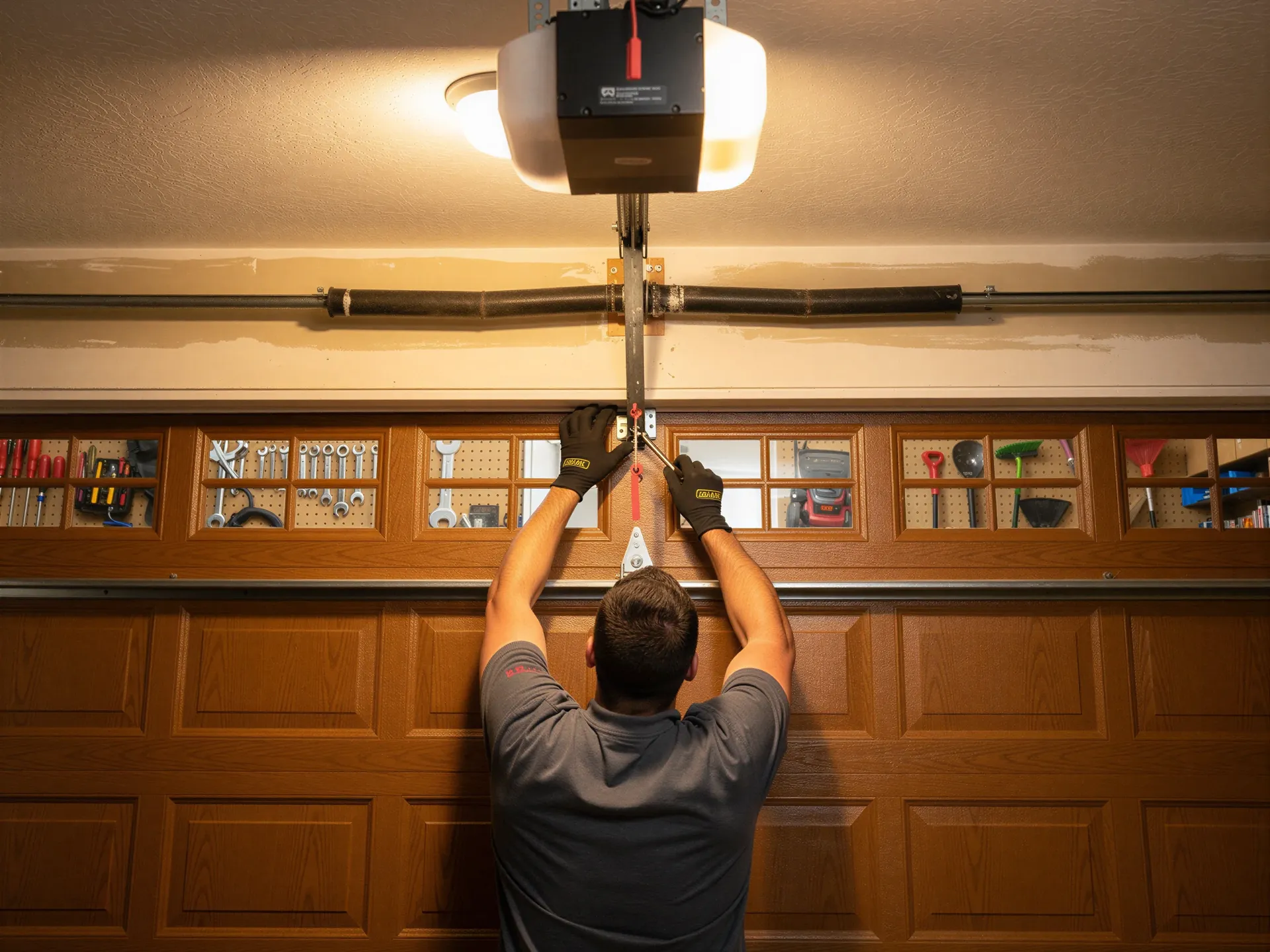
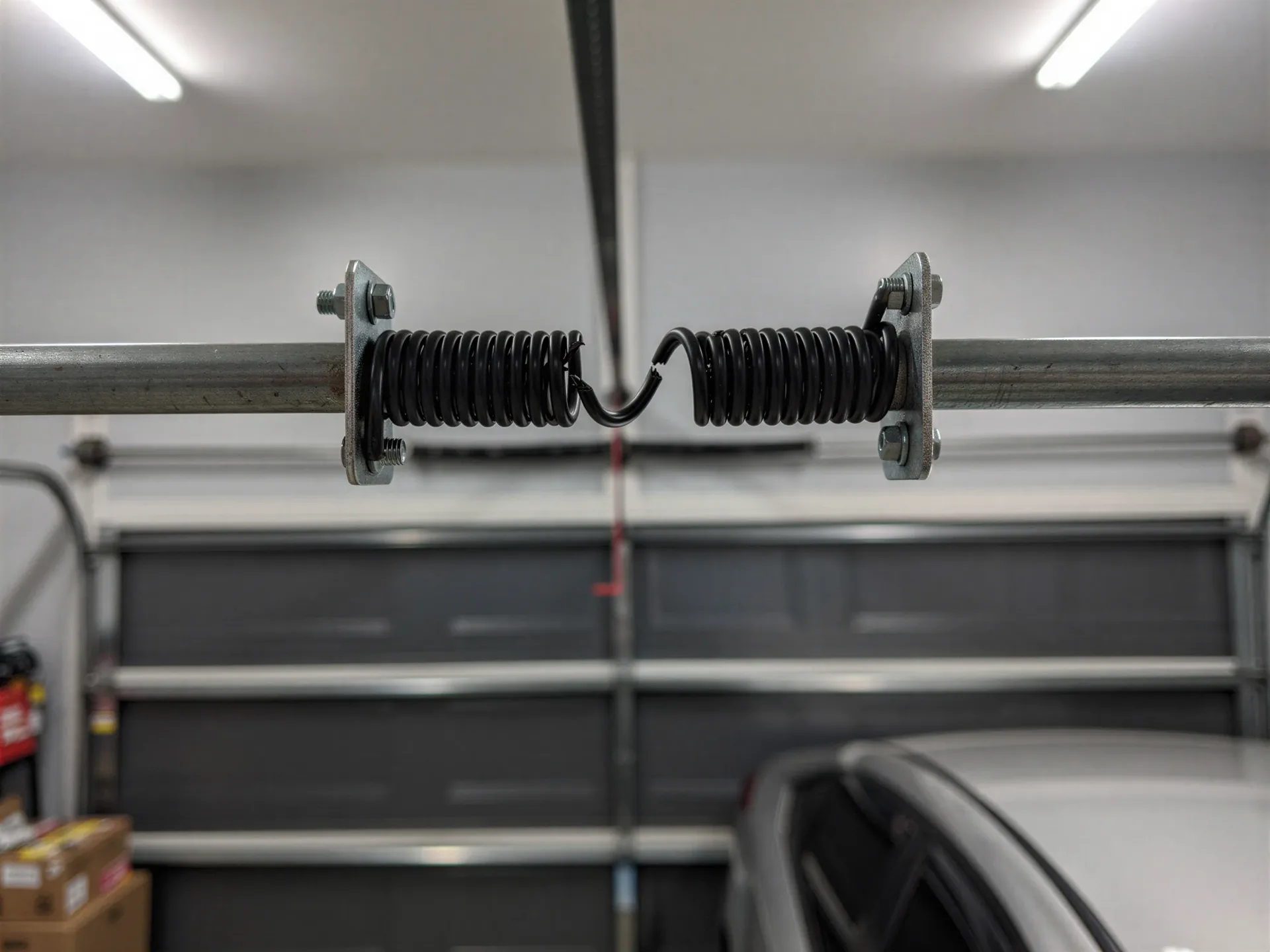
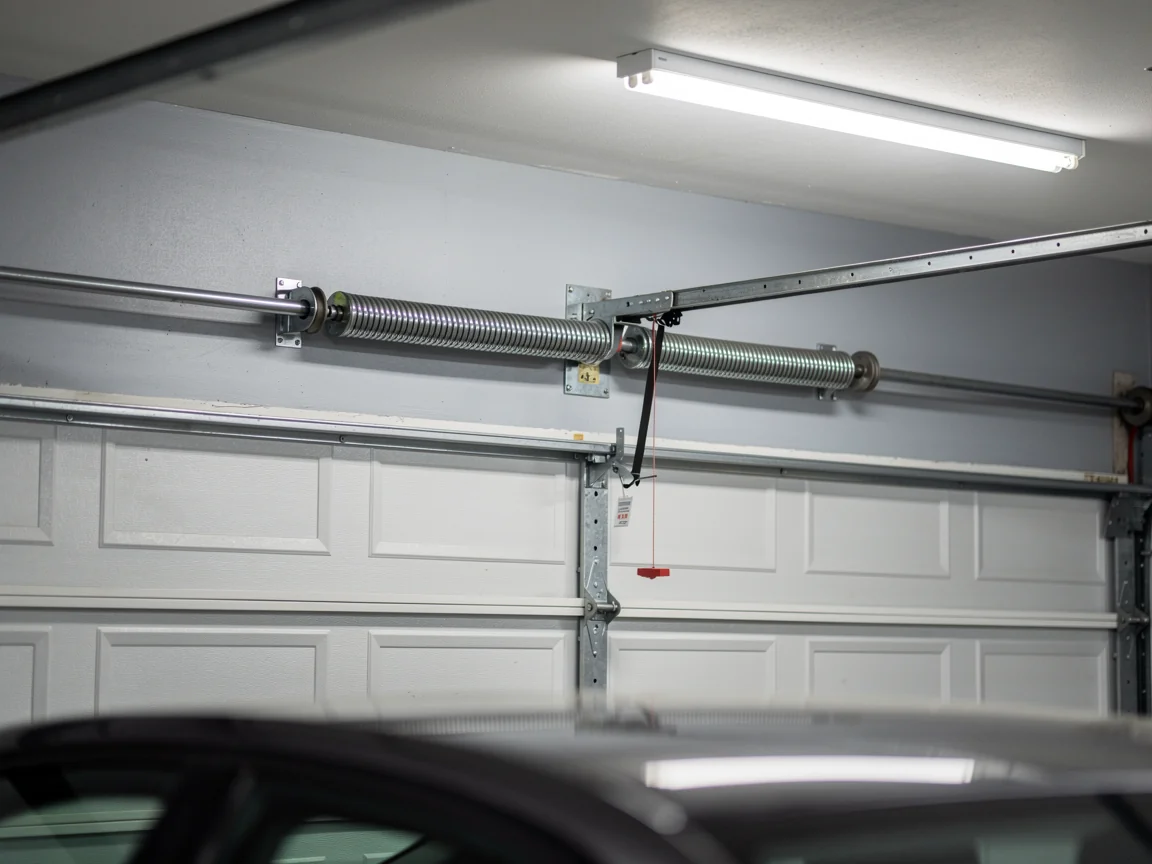
A house built in 1989 almost certainly came with a torsion spring system from new, not the older extension-spring setups we still find on homes from the 1950s and 60s closer to Potomac. The steel sectional door itself is probably original or a first replacement, and the opener is likely a chain or belt drive from an era before current photo-eye safety standards were fully standard equipment.
Straightforward repair scope
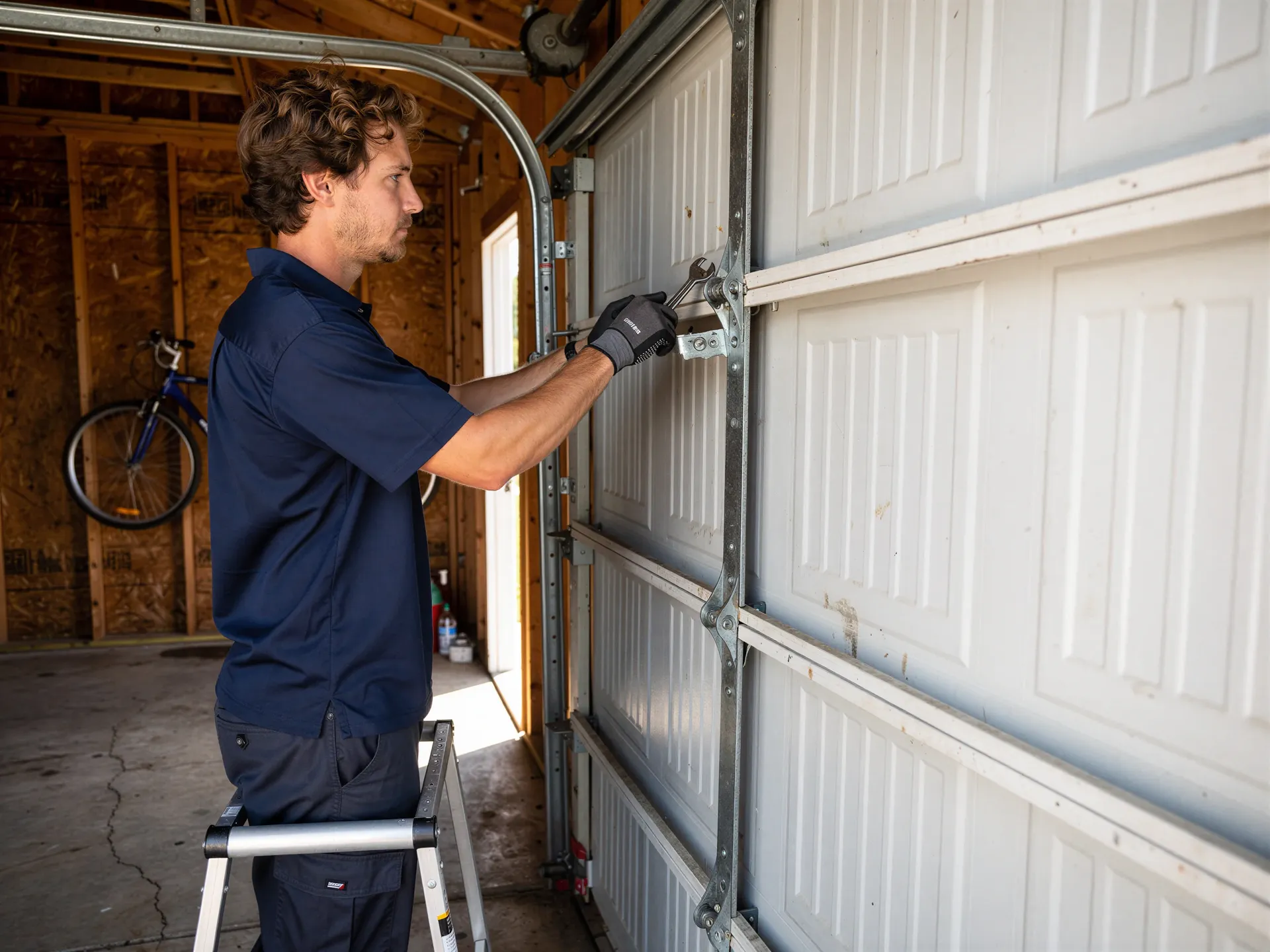
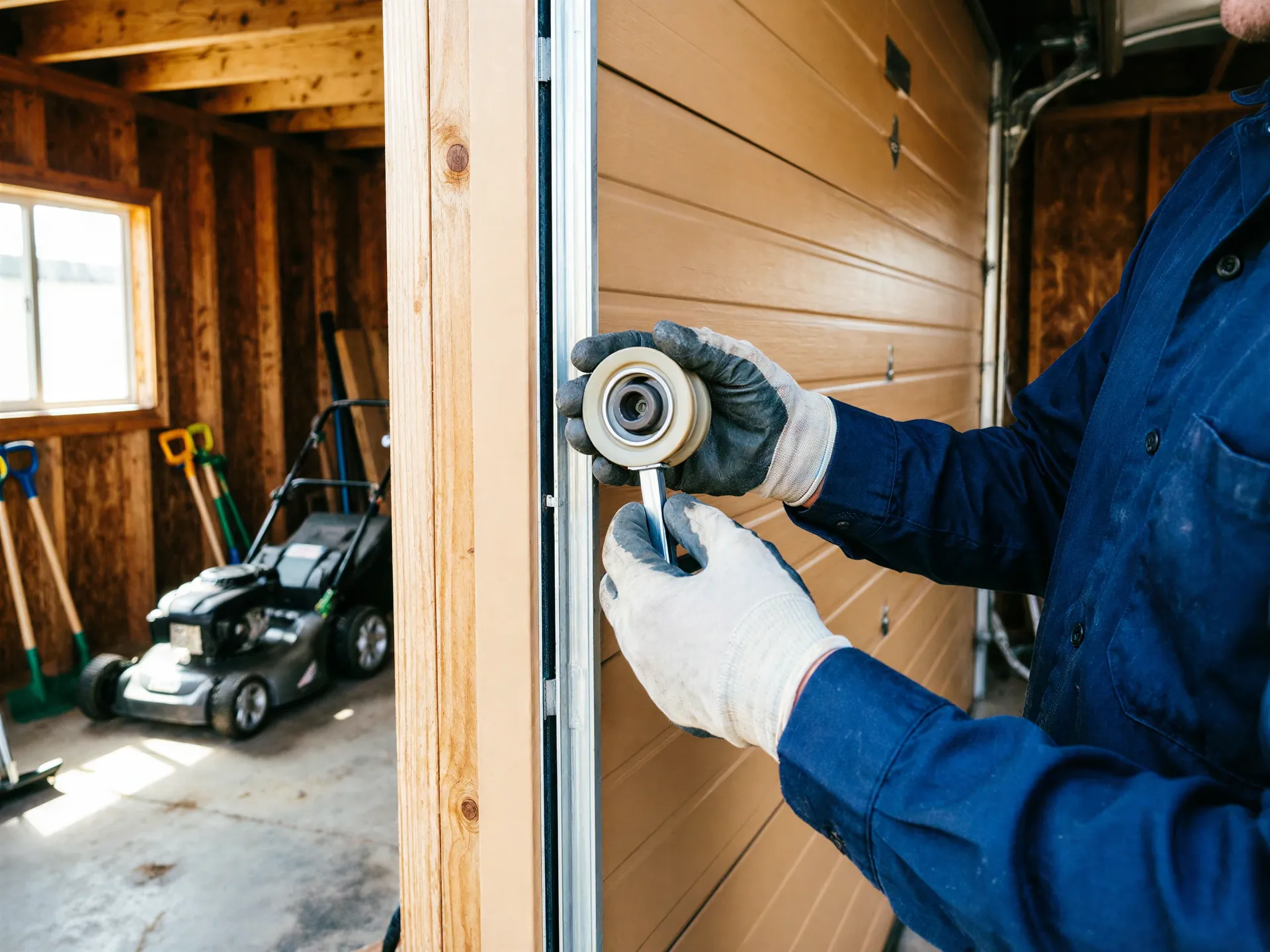
That changes what a repair call actually involves. Instead of converting hardware or chasing parts for a door style nobody made anymore, the work here is closer to straightforward: torsion spring replacement, track alignment, roller swaps, or bringing an aging opener up to current safety expectations.
Thirty winters of wear
The region sits in a cold, severe climate band, so steel panels in this age range have usually taken thirty-plus winters of expansion and contraction - enough for hardware to loosen even when the door itself still looks fine.
Where This Job Goes Sideways
The trouble with a late-80s door isn't usually the spring - it's everything attached to it after three decades of winters. Torsion hardware from 1989 was built to the standards of that year, and brackets, end bearings, and cable drums can be worn well past where a simple spring swap solves the problem.
Unserviced doors hide faults
We've opened up jobs that looked like a dead spring and turned out to be a bent shaft or a stripped drum, because nobody had serviced the door since it was installed.
Seals degrade in cold
Cold-climate swings also take a toll on weatherstripping and bottom seals that were never replaced, which throws off how the door sits in the track even after new springs go on. The other place this goes sideways is the opener.
Old opener patching delays
A chain-drive unit from the late 80s or early 90s predates a lot of the safety-reversal and sensor requirements homeowners now expect as standard, and patching an old unit instead of replacing it sometimes just delays the same call by a year or two.
What Is on the Truck
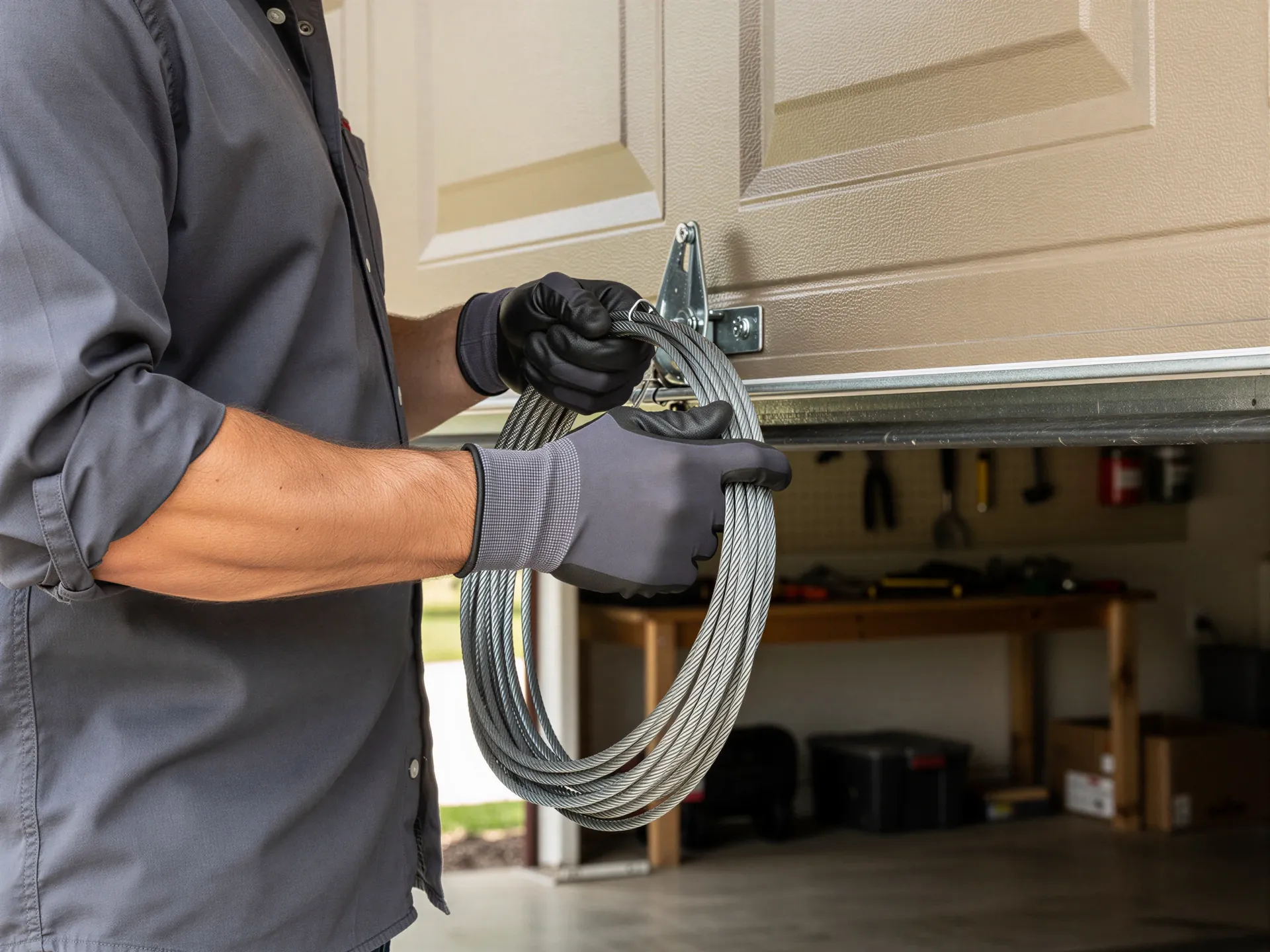
For a house built around 1989, the truck carries torsion springs sized for a standard steel sectional door, replacement end bearings and cable drums, and track hardware sized to the era's door weight - these are not the same parts stocked for the extension-spring doors common on older housing closer to Potomac.
Insulated steel demand
Given the median household income in this part of the service area runs well above the broader Potomac-area figure of $105,966, insulated steel doors and upgraded opener units come up more often as a choice homeowners make rather than one forced by a failed part.
Custom panel lead time
We carry standard torsion and track parts that cover most 1980s and 1990s steel doors. What we don't carry is custom-width replacement panels or doors matching a specific builder run - those get special-ordered, and that's the one real lead-time gap on this kind of job.
Panel versus full door
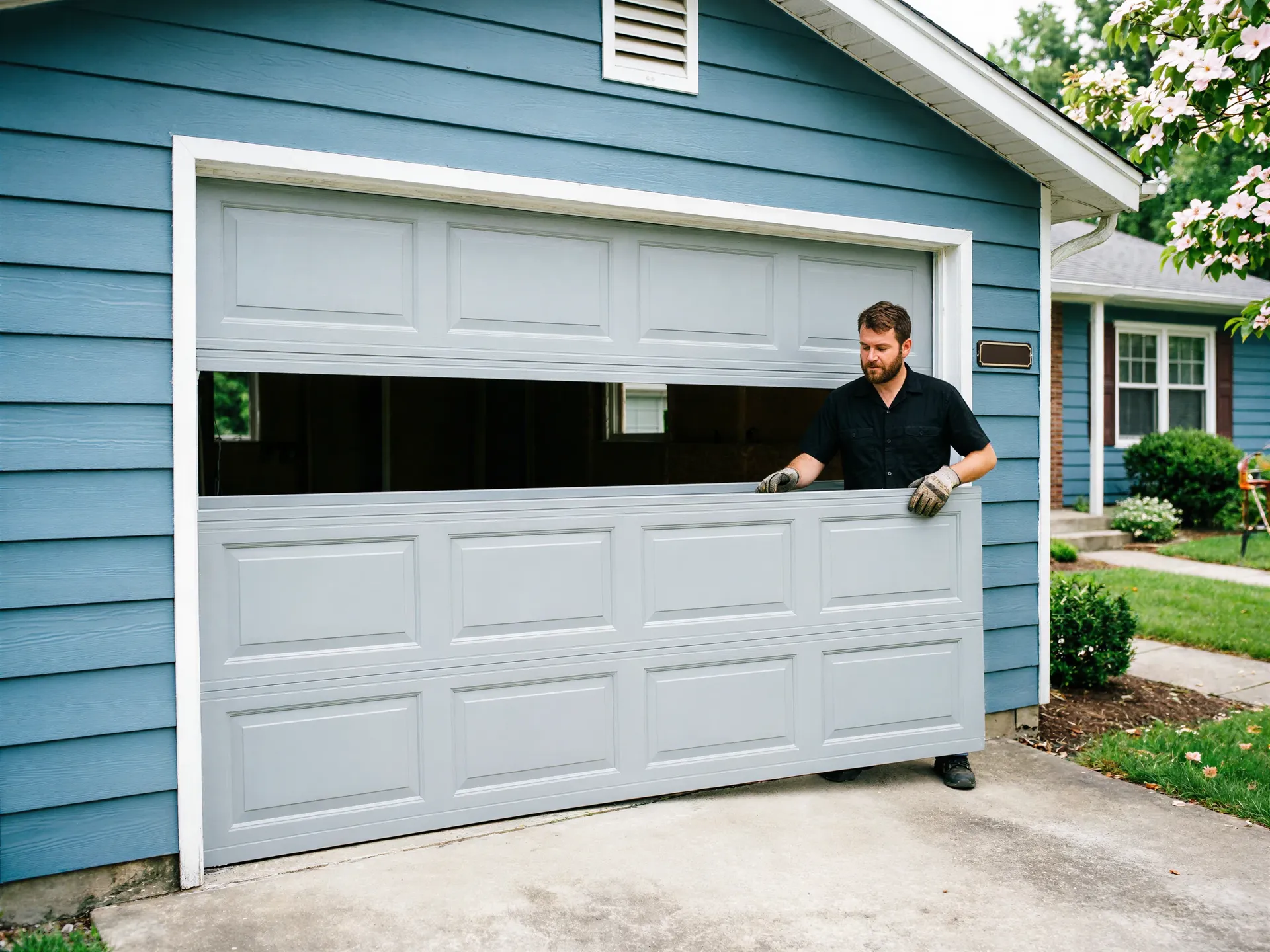
If a single panel is cracked and the rest of the door is sound, we'll tell you honestly whether it's worth the wait or whether a full door makes more sense.
How It Shows Up
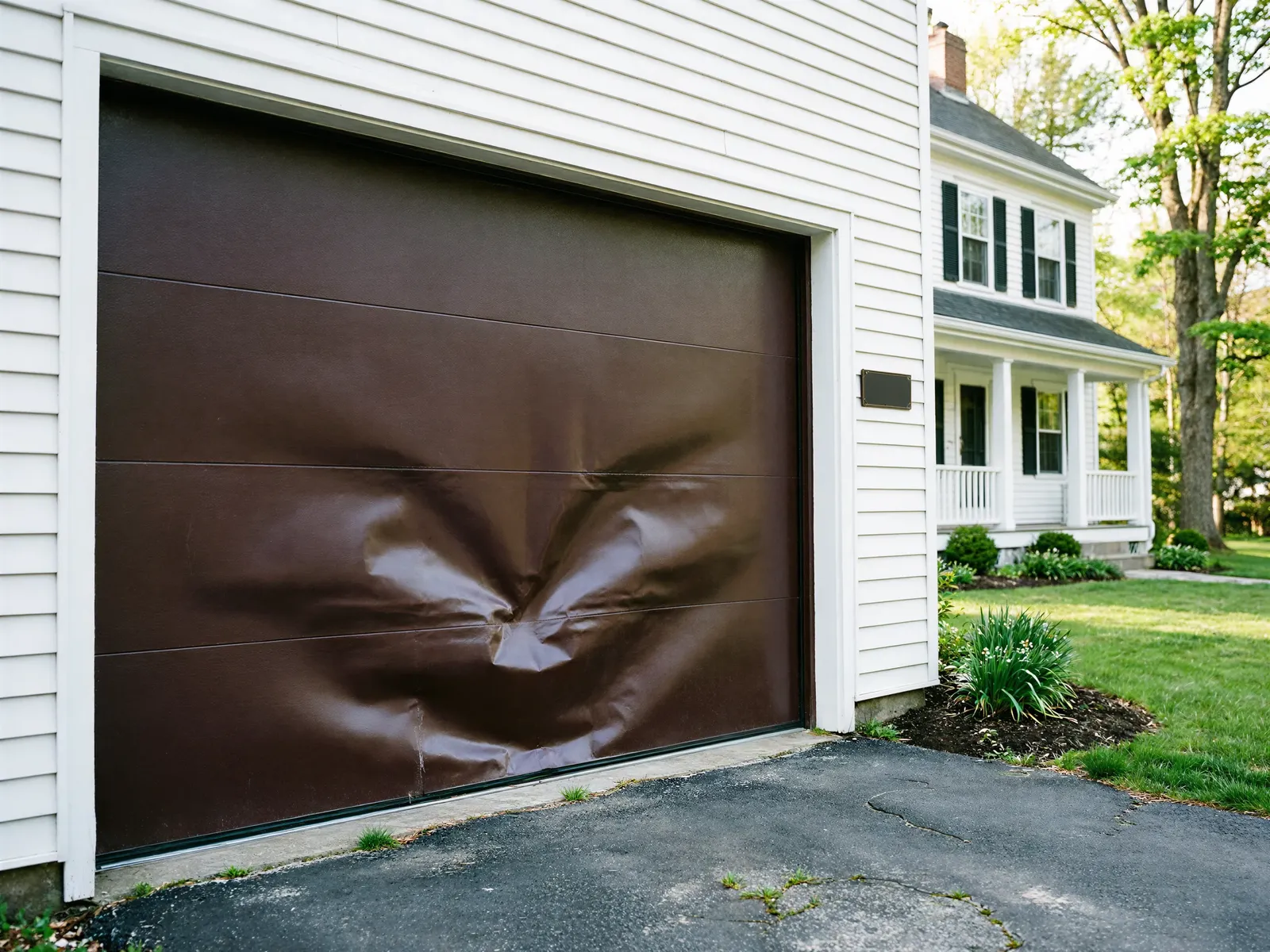
On a torsion system from 1989, failure usually looks like a door that won't lift past a few inches, or an opener straining and reversing itself before the door clears the floor - that's the spring, not the motor, even though the motor takes the blame first. A grinding or popping noise on the way up often means a bearing or drum that's finally worn through after this many winters of cold-driven contraction. Openers from this era sometimes fail quieter: the door works fine by hand but the unit won't engage, which on a chain-drive system usually traces back to a worn sprocket or a capacitor that's simply reached the end of its life. None of this is unique to one house - it's what you'd expect from hardware installed when Travilah's homes were first built and never fully replaced since.
Doing It Yourself
A torsion spring under tension is not a safe DIY repair regardless of how old the door is, and that doesn't change because the house is newer than the Potomac average.
Safe DIY maintenance tasks
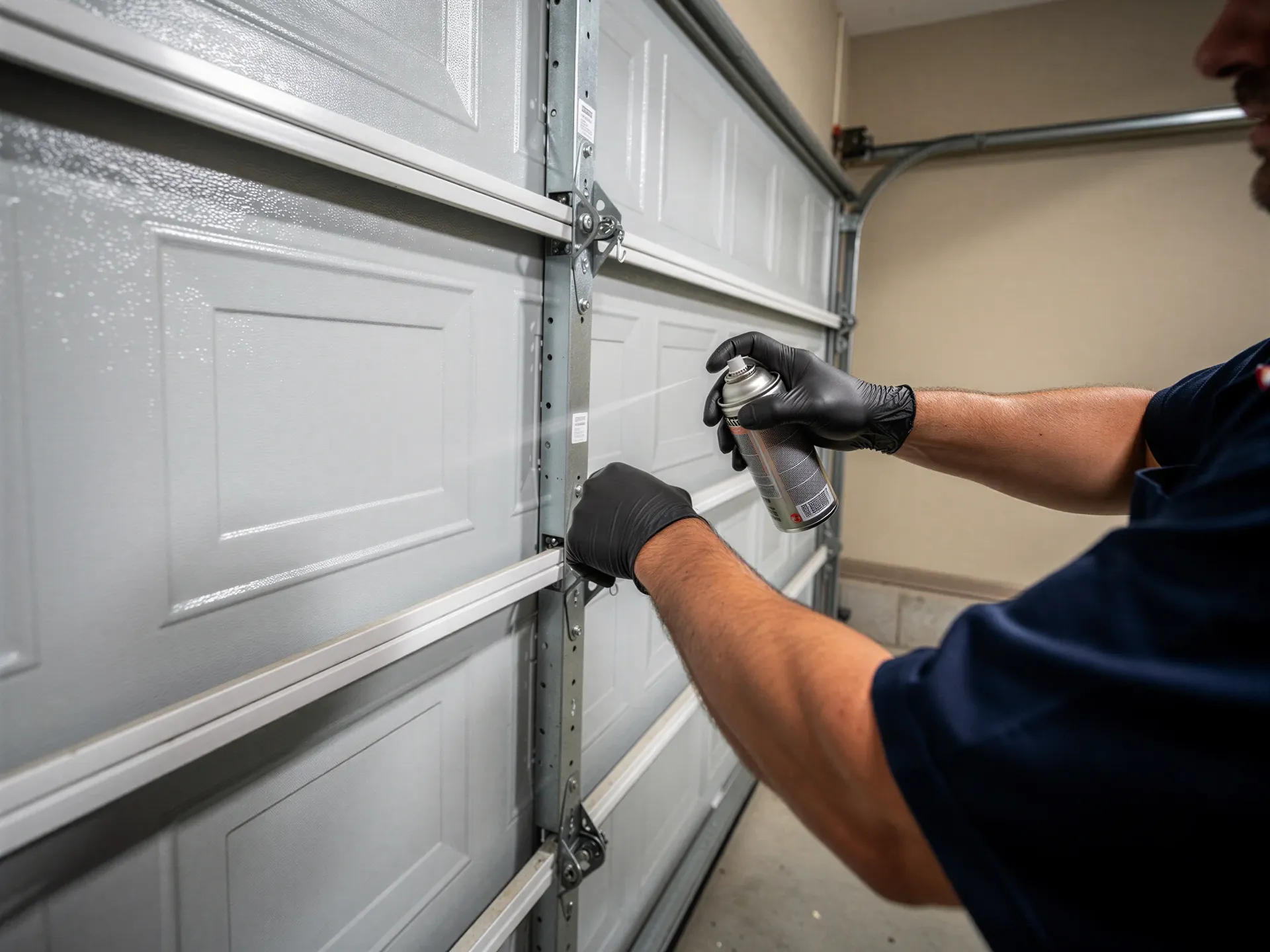
Where a homeowner can reasonably do their own work: lubricating rollers and hinges, replacing worn weatherstripping, tightening loose bracket bolts you can reach safely, and testing the opener's auto-reverse by placing a block under the door.
Reversal failure is urgent
If the door reverses before touching the block, or doesn't reverse at all, that's a safety issue and not a settings fix. We'd rather talk a homeowner through the simple stuff over the phone than have them climb a ladder toward a wound spring.
Booking a Visit
We cover Travilah from our Potomac location, about 4 miles out, along with the other communities in that part of the service area. There's no branch or depot in Travilah itself - the truck comes from Potomac for every call. If you're trying to figure out whether what you're dealing with is a quick fix or something bigger, reach out through the Travilah service area page, or see the full rundown of what we handle on the Potomac service page.
Talk to a local pro
Garage door service in Potomac?
Same-day service with honest, upfront quotes.