What the Repair Takes
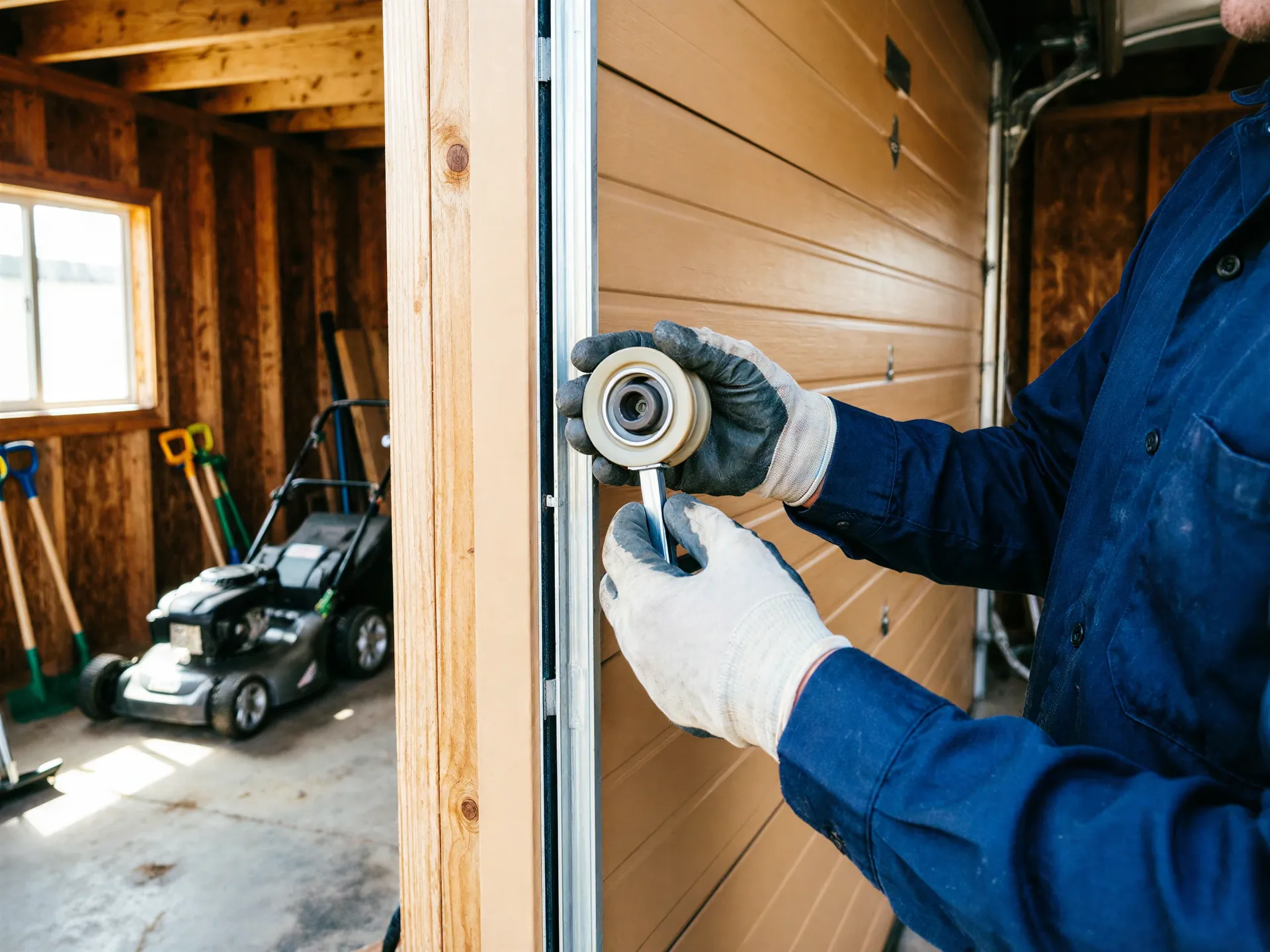
Most of the roller jobs we run in Travilah aren't the same job we run on the older streets closer to Potomac. Houses here were mostly built around 1989, which puts the doors squarely in the era of stamped steel rollers on plain steel stems - no sealed bearing, no nylon tire, just metal rolling on metal inside a galvanized track.
Flat spots bind doors
That setup works fine for a decade or two, then the roller wears a flat spot or the stem bends slightly and the door starts binding at the same spot on every open and close.
Full set time estimate
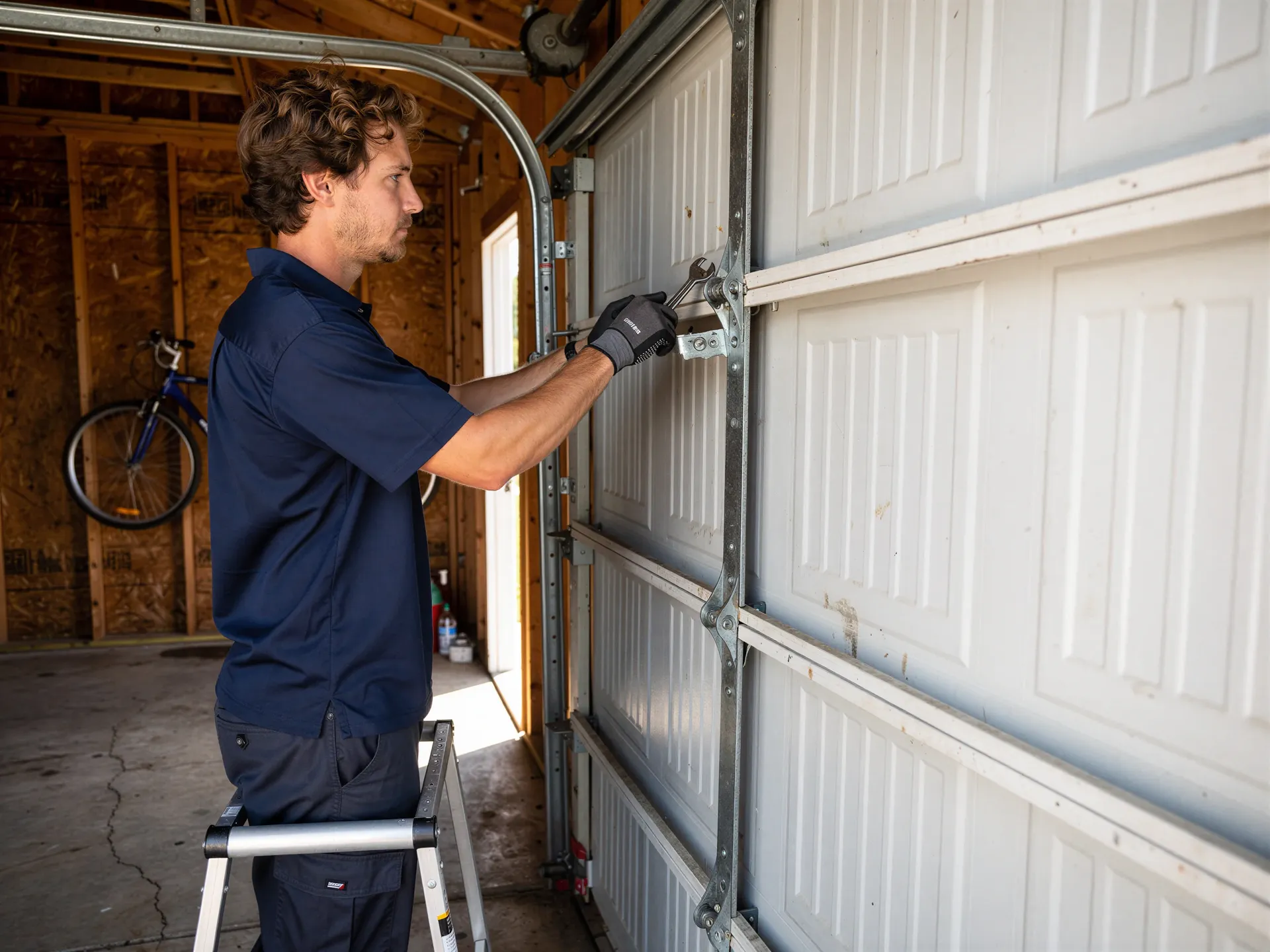
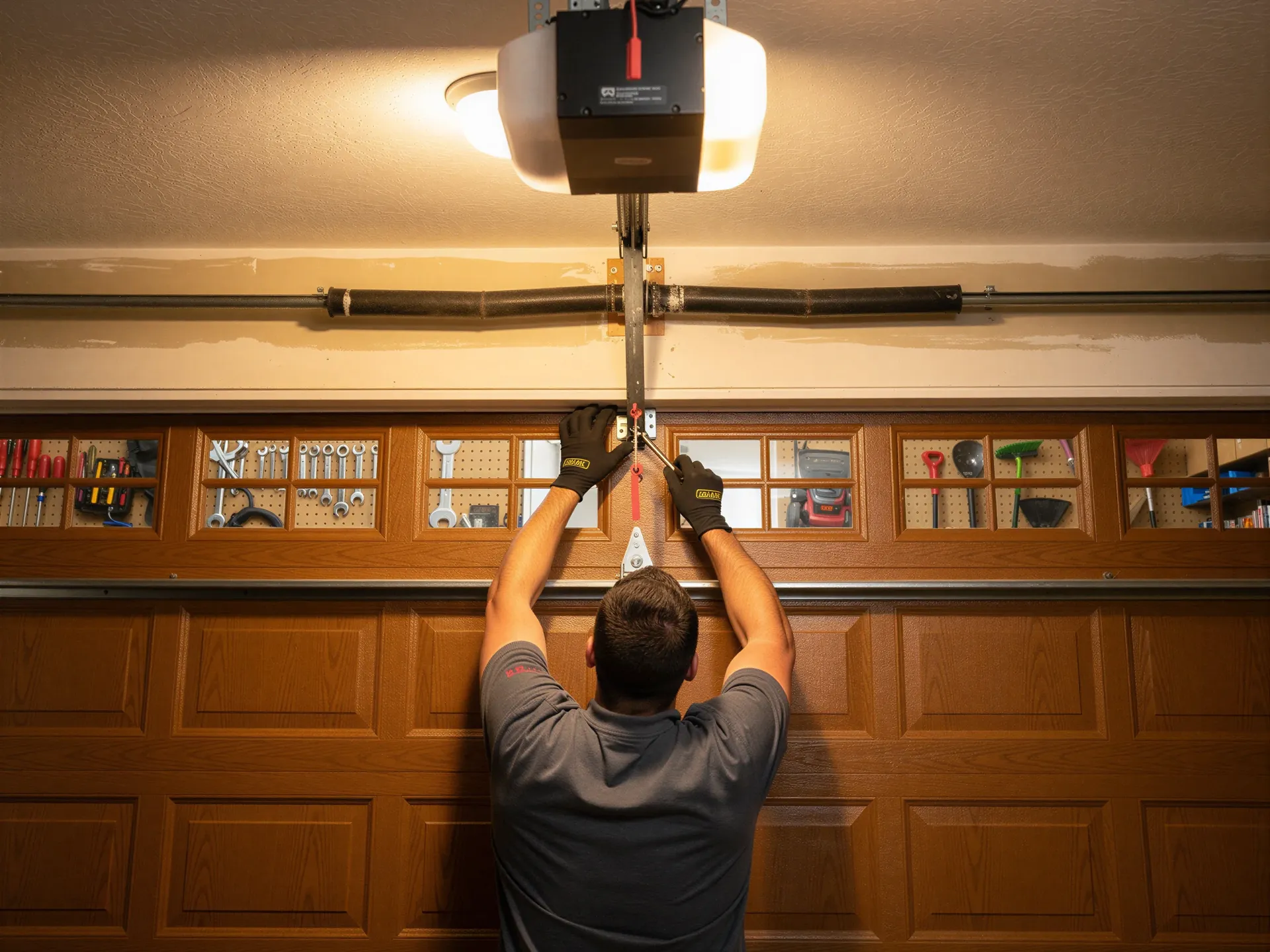
Swapping the full set, top to bottom, usually runs 90 minutes to two hours depending on whether the track brackets need resetting too. We pull the old steel rollers, check the stems for rust pitting, and set 10-ball nylon rollers with sealed bearings in their place.
Roller count per door
On a standard 7-foot double door that's 10 rollers, sometimes 12 if the track run is longer than usual. We don't touch springs or cables unless we find something wrong with them while we're in there - that's a separate call, priced and treated separately.
Where This Job Goes Sideways
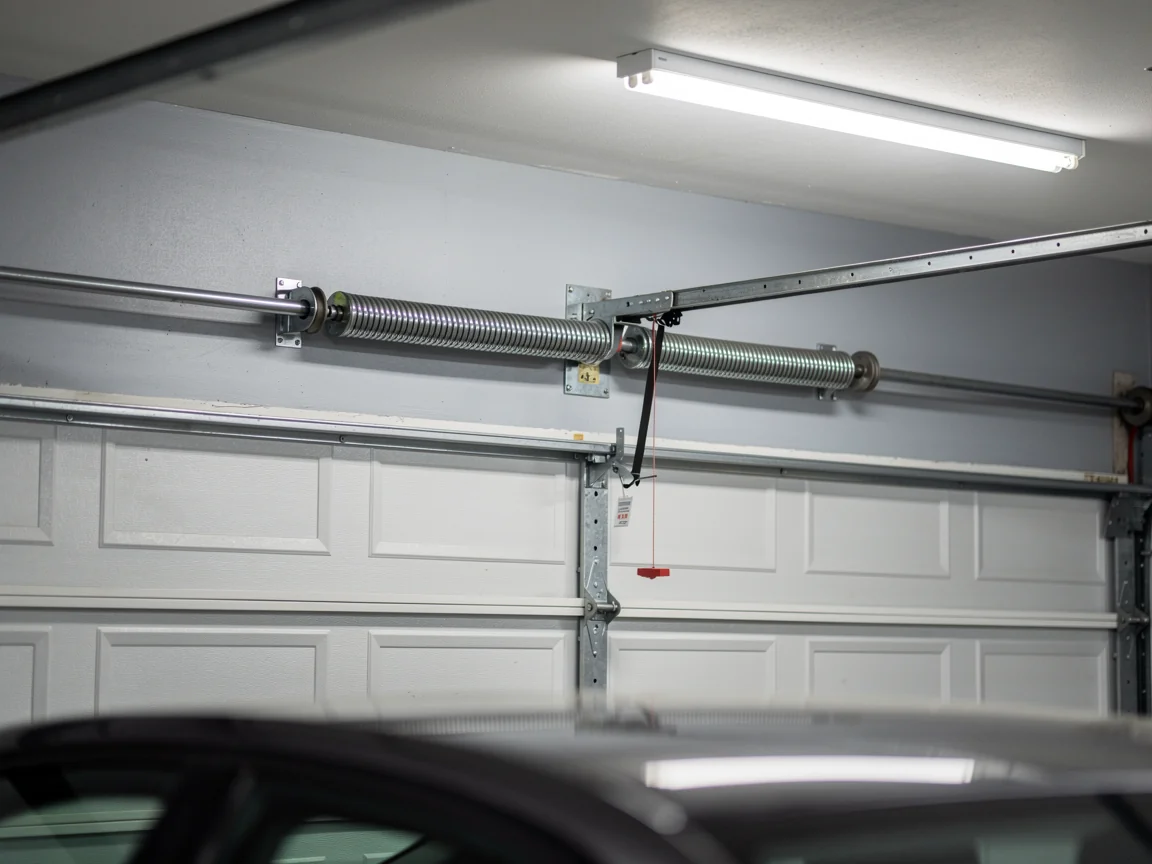
The complication in this area isn't the roller itself, it's what's holding the track. Houses built in this window often used lighter-gauge track brackets than what you'd find on a 1960s build, and over 30-plus winters those brackets can work loose from the jamb without anyone noticing, because the door still opens. Swap a worn roller into a track with a loose bracket and it'll bind again in a month, not because the roller failed but because the track flexed under it.
We check bracket lag screws and jamb wood condition before we call a roller job finished. If the jamb has gone soft from moisture, that's a repair the roller swap can't fix, and we'll say so rather than quote a part that won't hold.
What Is on the Truck
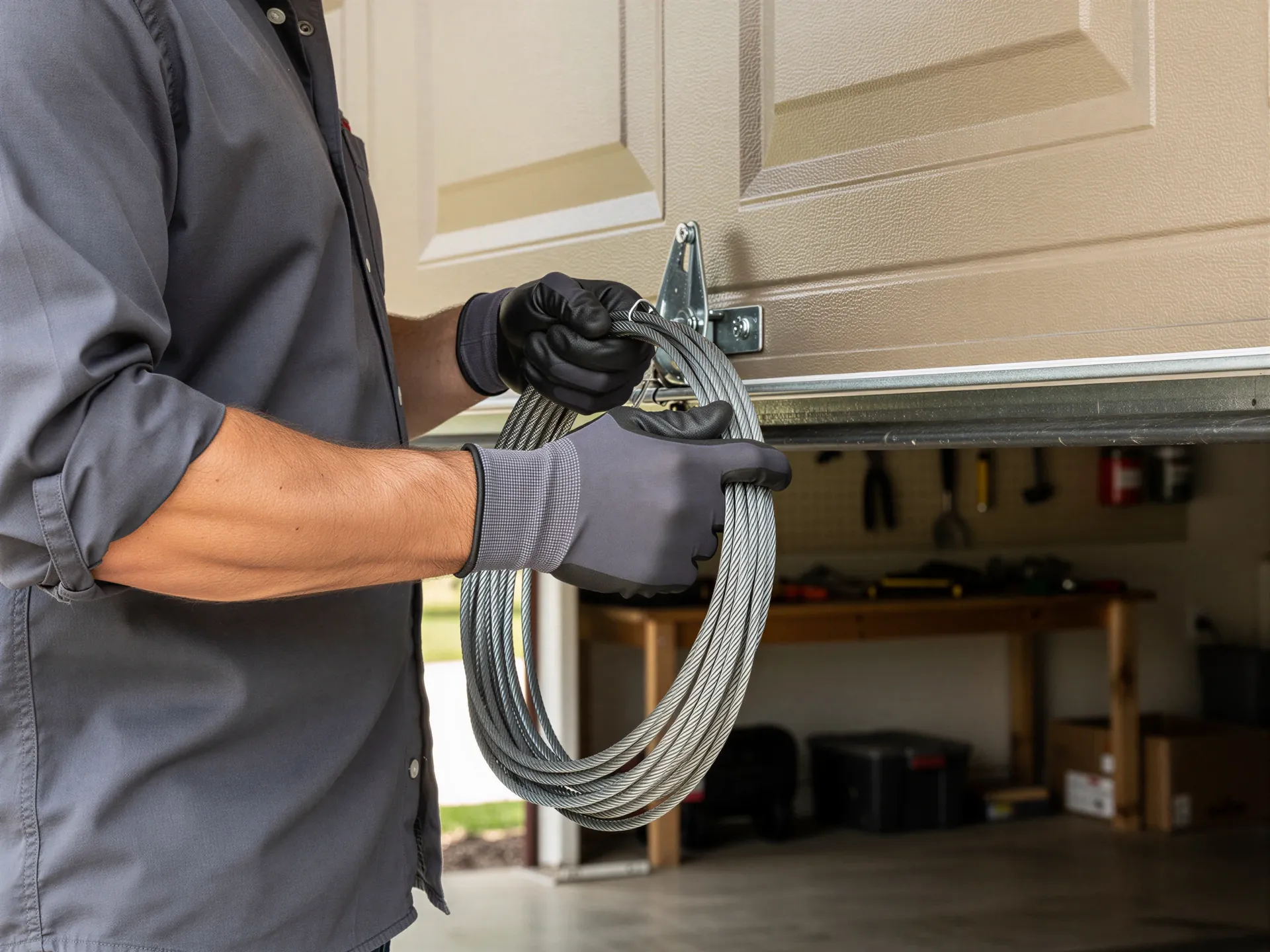
For this kind of call we carry 10-ball and 13-ball sealed-bearing nylon rollers in the stem lengths that fit standard residential track, plus replacement stems for the ones that come out bent.
Nylon rollers preferred over steel
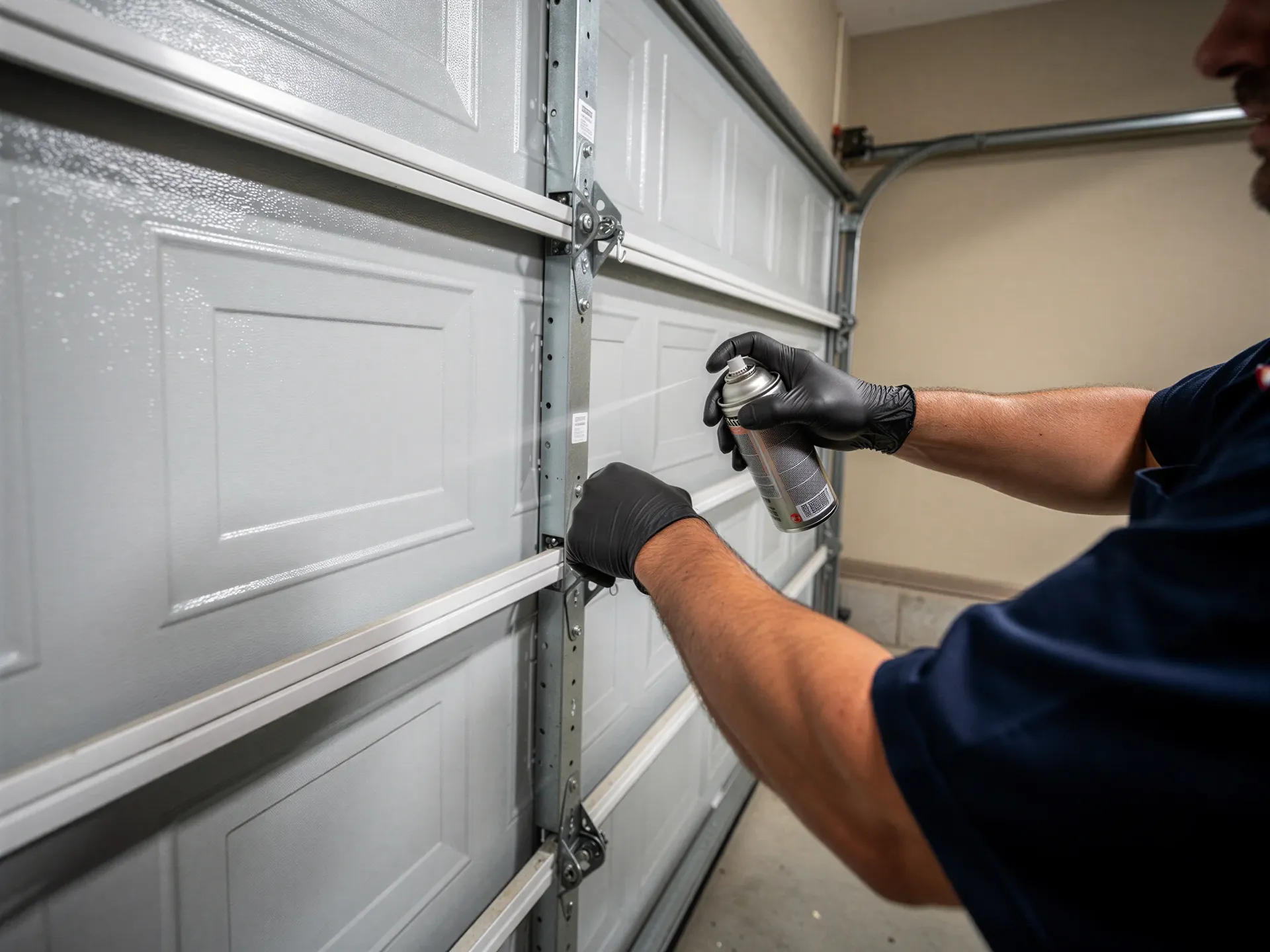
We don't carry every steel-roller size that was original to late-80s builds, because almost nobody asks to go back to steel once they've felt the difference - nylon runs quieter and doesn't need the periodic oiling steel does.
Stocked bracket hardware
We also carry extra track bolts and bracket hardware, since loose or stripped bracket fasteners show up often enough in this area that it's not worth a second trip to fix.
How It Shows Up
The first sign is usually a grinding or clicking sound at one specific point in the door's travel, not the whole run - that's the flat-spotted roller hitting the same spot on the track every cycle.
Cold increases roller friction
Cold mornings make it worse in this climate; stiff grease and contracted metal both add friction right when the roller is already struggling.
Cold-only hesitation diagnosis
If the door hesitates or shudders only on the coldest days and runs fine by afternoon, that's rollers more often than it's the opener.
Doing It Yourself
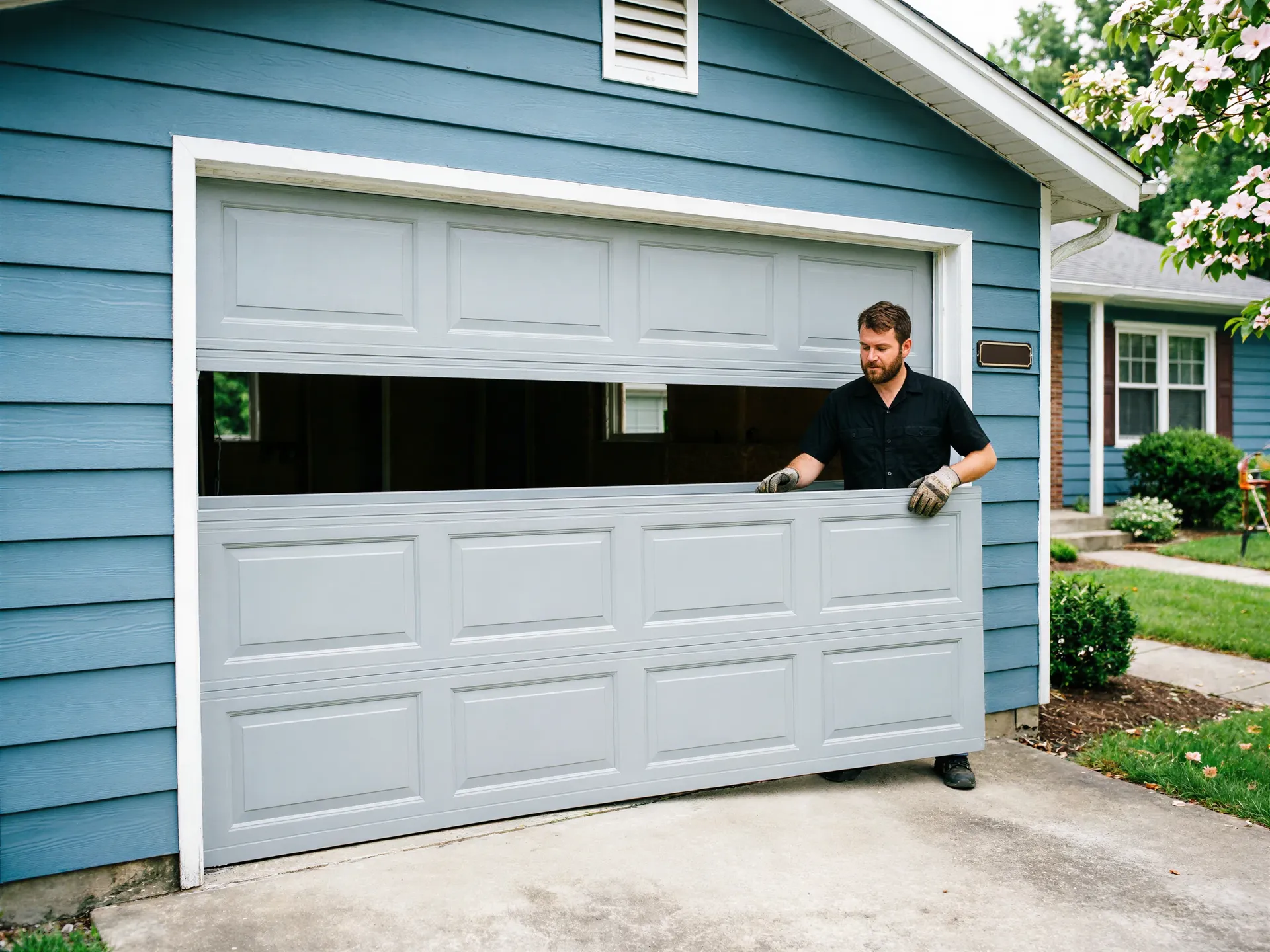
Swapping rollers isn't a bad DIY candidate if you're comfortable with the bottom two rollers on a closed, unlocked door - those carry no spring tension. The top rollers and the ones nearest the spring system are a different story, and we'd rather you call than find out the hard way why a torsion door shouldn't be opened halfway with a roller pulled. If you're not sure which rollers are which, that's reason enough to skip it.
Booking a Visit
We run this job out of Potomac, about 4 miles from most Travilah addresses, and we quote it the same way regardless of which street you're on. If you want the general rundown of how we handle roller replacement across the wider service area, that's covered on our Potomac roller replacement page. For details on what else we cover out here, see the Travilah service area page.
Talk to a local pro
Garage door service in Potomac?
Same-day service with honest, upfront quotes.